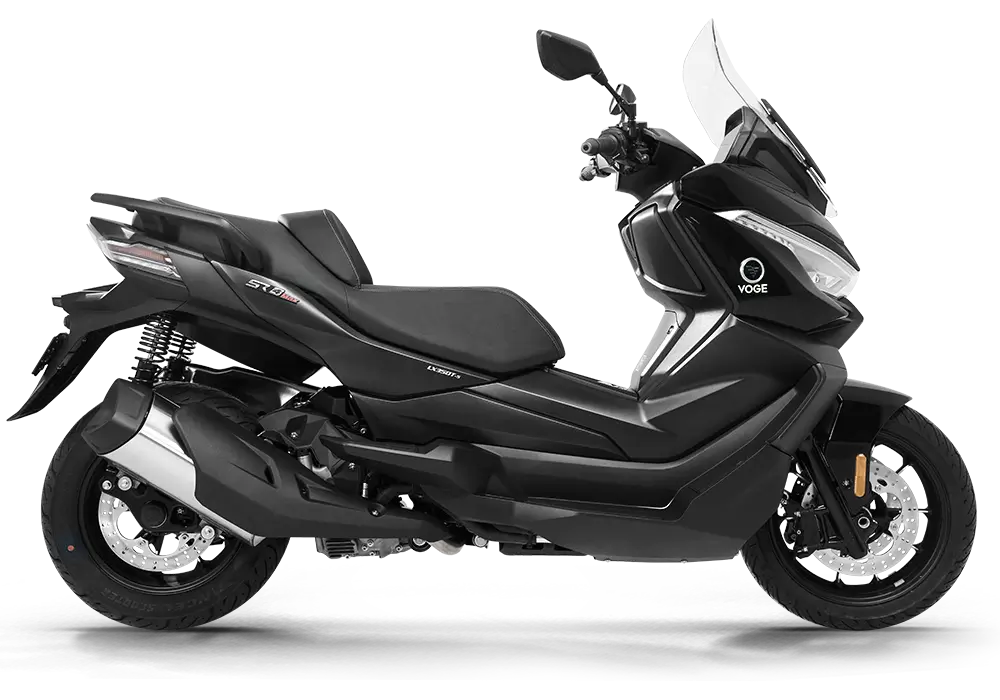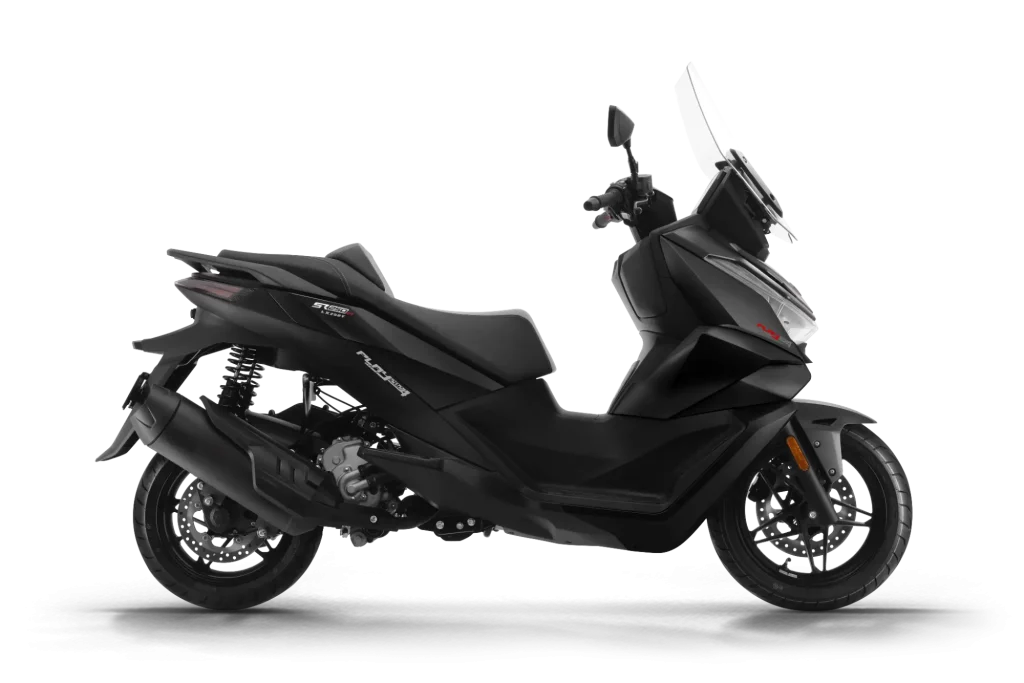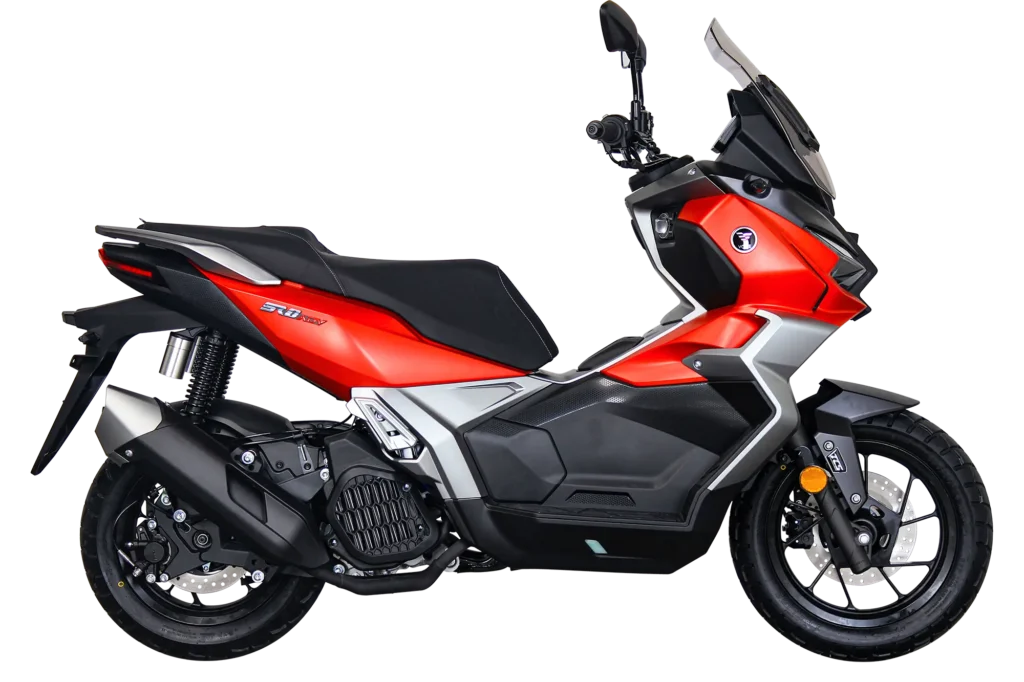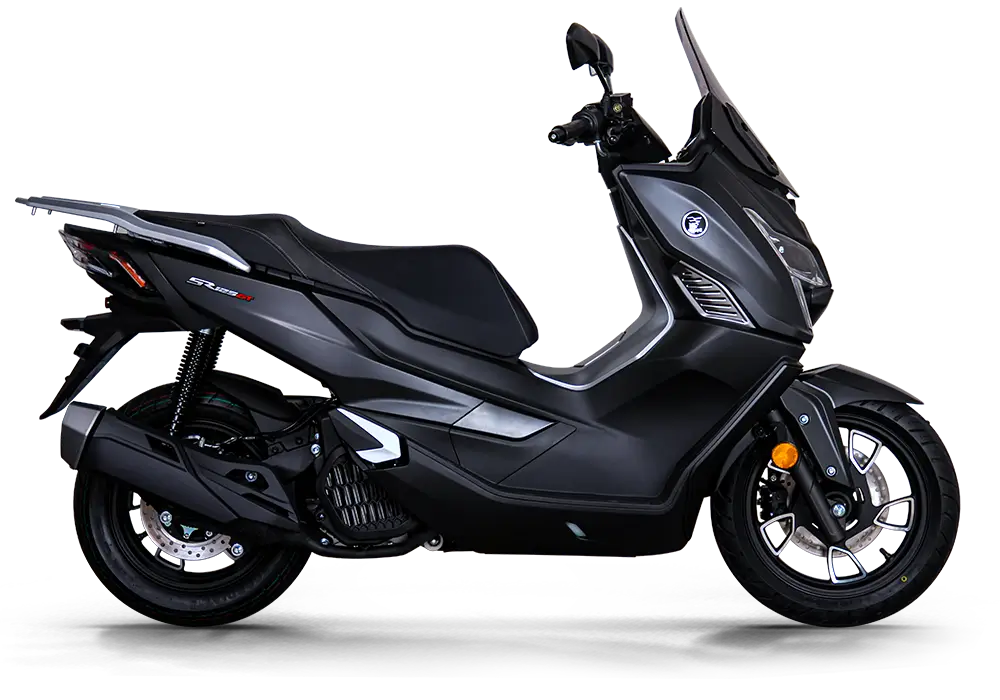
Road vs Off-Road Motorcycle Tires: What’s the Difference?
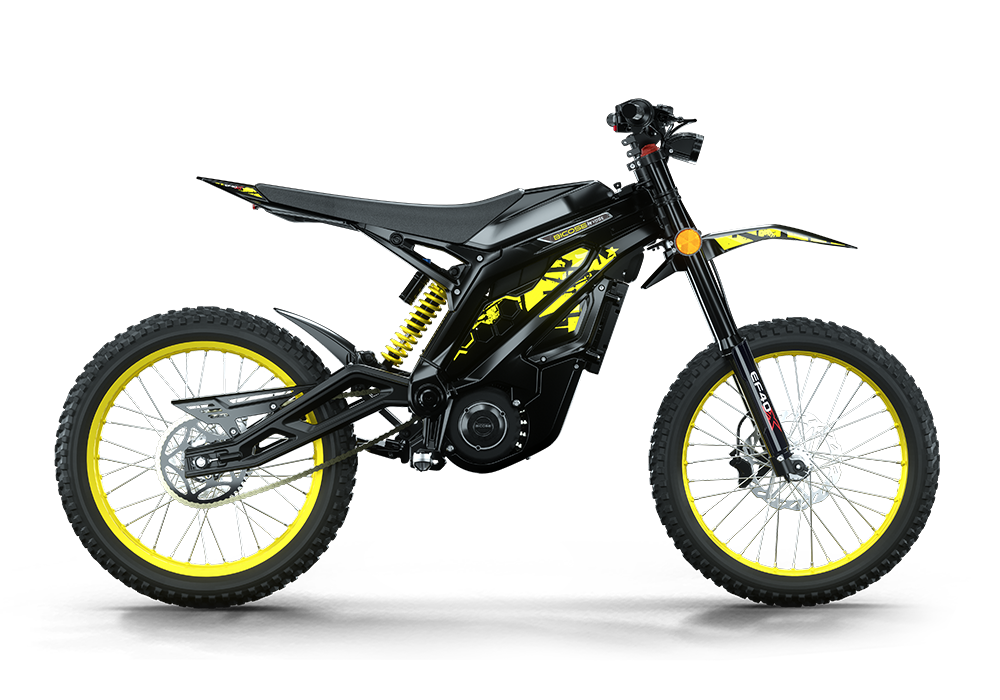
Motorcycle tires are not simply classified as “road” or “off-road.” Tread patterns, tread block design, and the spacing between tread blocks all affect how a tire interacts with the road surface, influencing grip, stability, and traction.
For motorcycles that mainly ride on paved roads, tires need to perform consistently on relatively smooth and continuous surfaces. Once riding moves onto gravel, dirt, or other unpaved terrain, the conditions beneath the tire change significantly. As a result, road and off-road tires are designed with different priorities.
Road vs Off-Road Motorcycle Tires: What’s the Difference?
The most obvious difference can be seen in the tread design.
| Road Tires | Off-Road Tires | |
| Primary use | Paved roads | Dirt, gravel, and other unpaved surfaces |
| Tread design | More continuous and closely spaced | More open with prominent tread blocks |
| Design focus | Grip and stability on paved roads | Traction and bite on loose surfaces |
| Typical riding feel | Smooth, stable, and direct | Better suited to uneven and loose terrain |
The difference is not simply a matter of one tire offering “better” performance than the other. Each is designed around a different riding environment.
How Does Tread Design Affect Tire Performance?
The way a tire contacts the ground is an important part of a motorcycle’s dynamic behavior. Tread design directly influences how the tire works across different surfaces.
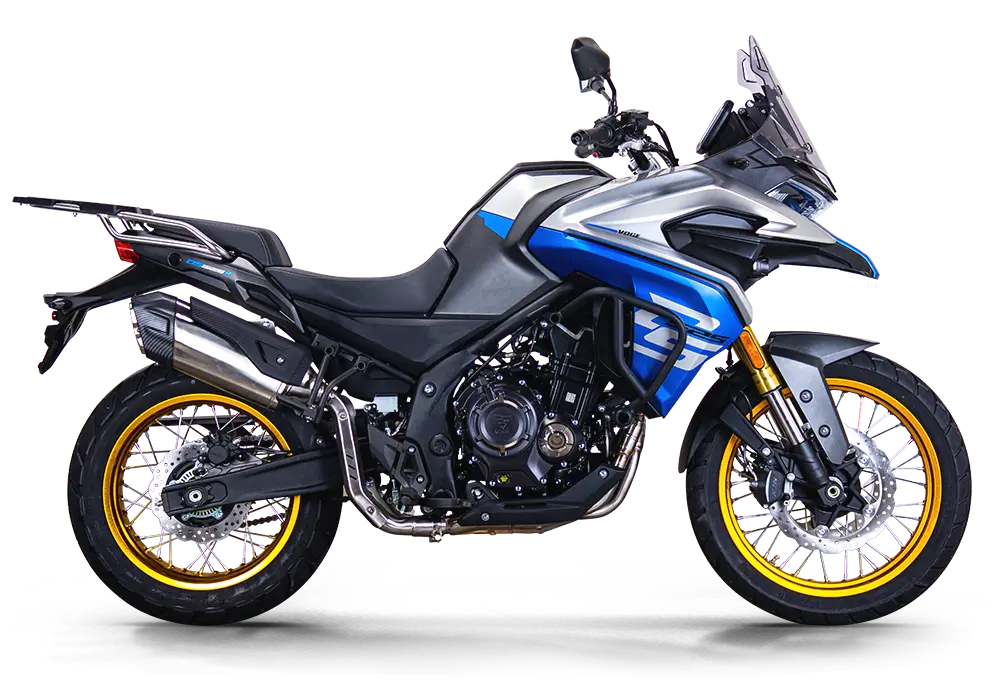
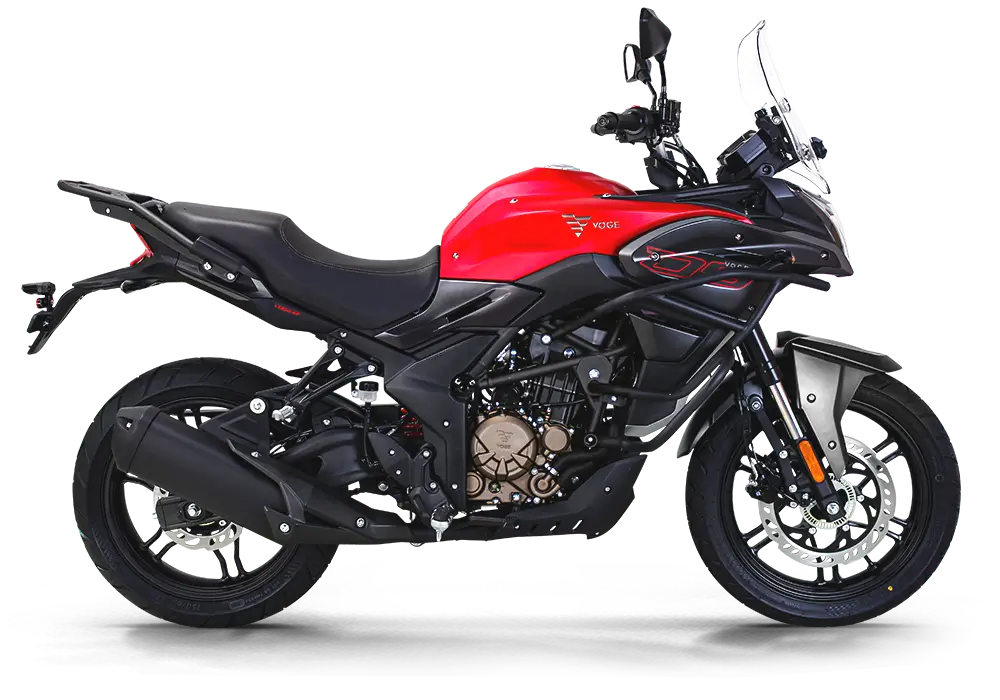
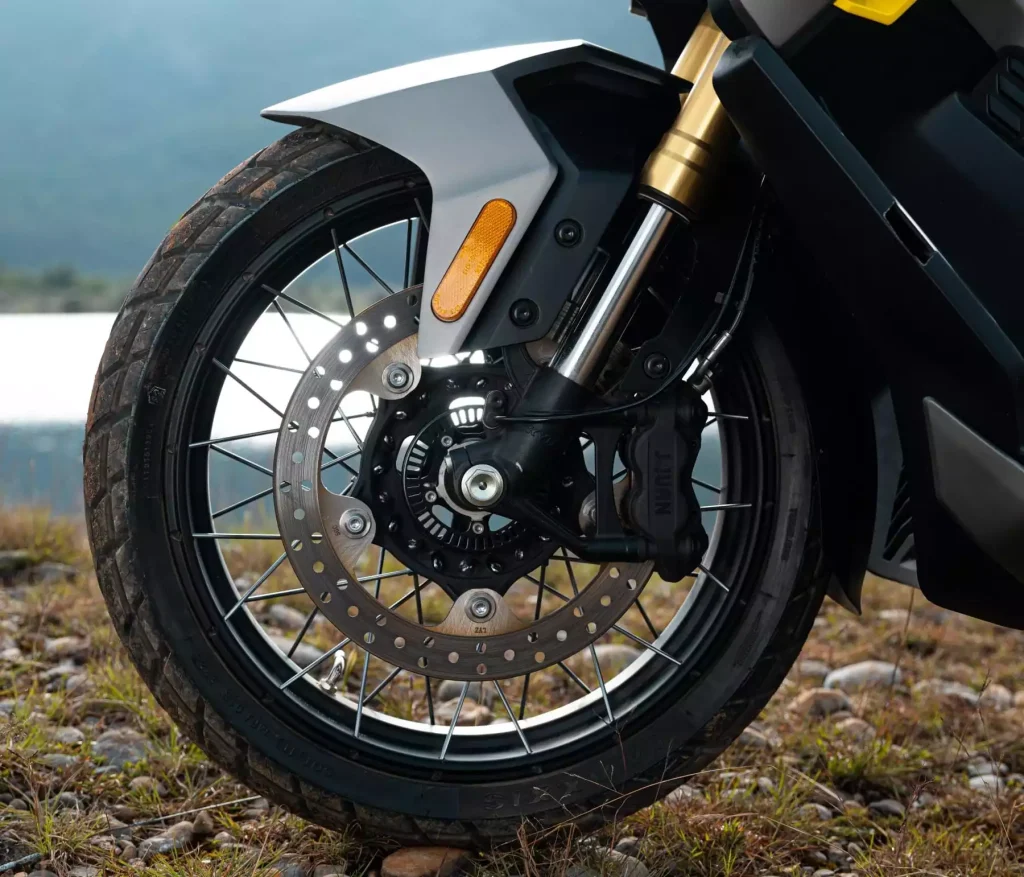
Road tires typically use a more continuous tread pattern. On paved surfaces such as asphalt, a stable contact patch helps provide predictable grip and steering response. During acceleration, braking, and cornering, the tire needs to maintain consistent contact with the road, making stability an important part of road-tire design.
At the same time, road-tire tread is not simply designed to be as smooth as possible. Properly positioned grooves also help manage water on wet roads, allowing the tire to maintain a balance between dry-road grip and wet-weather performance.
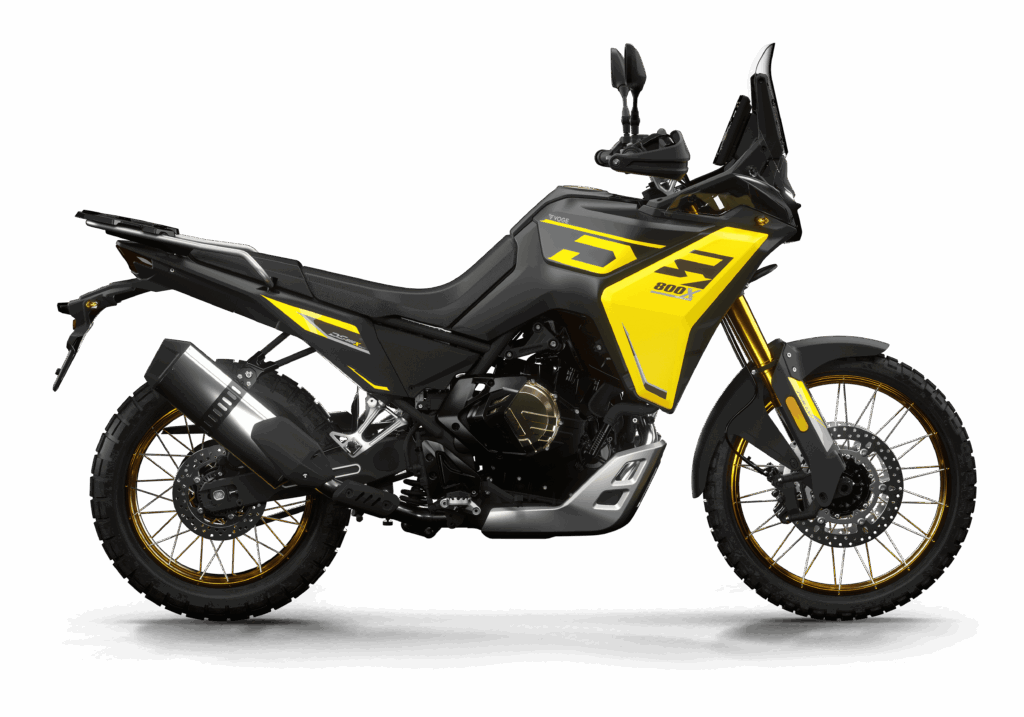
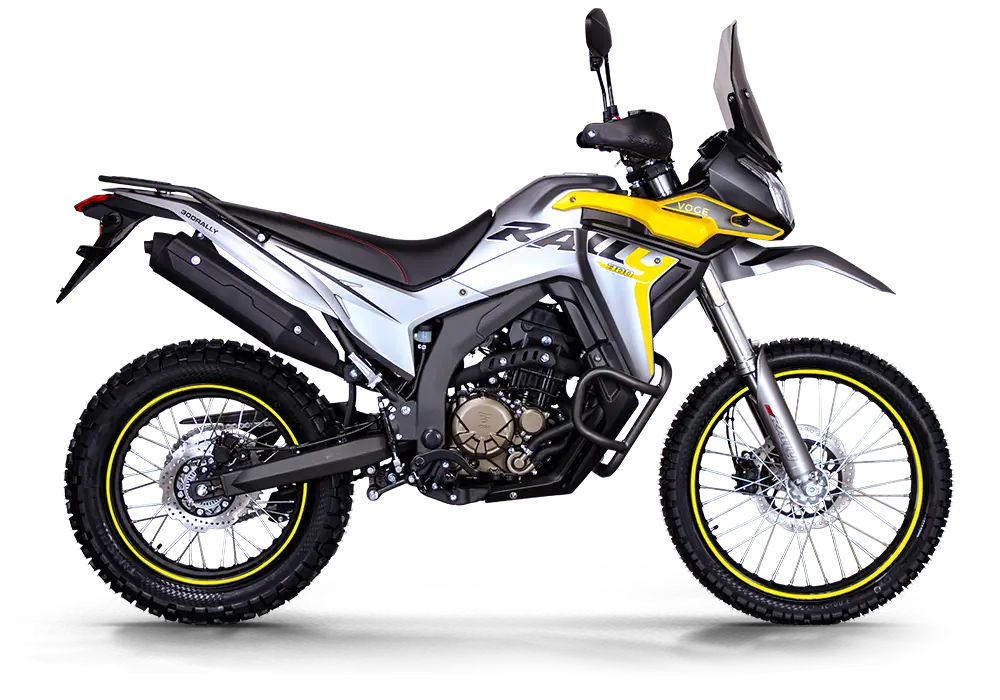
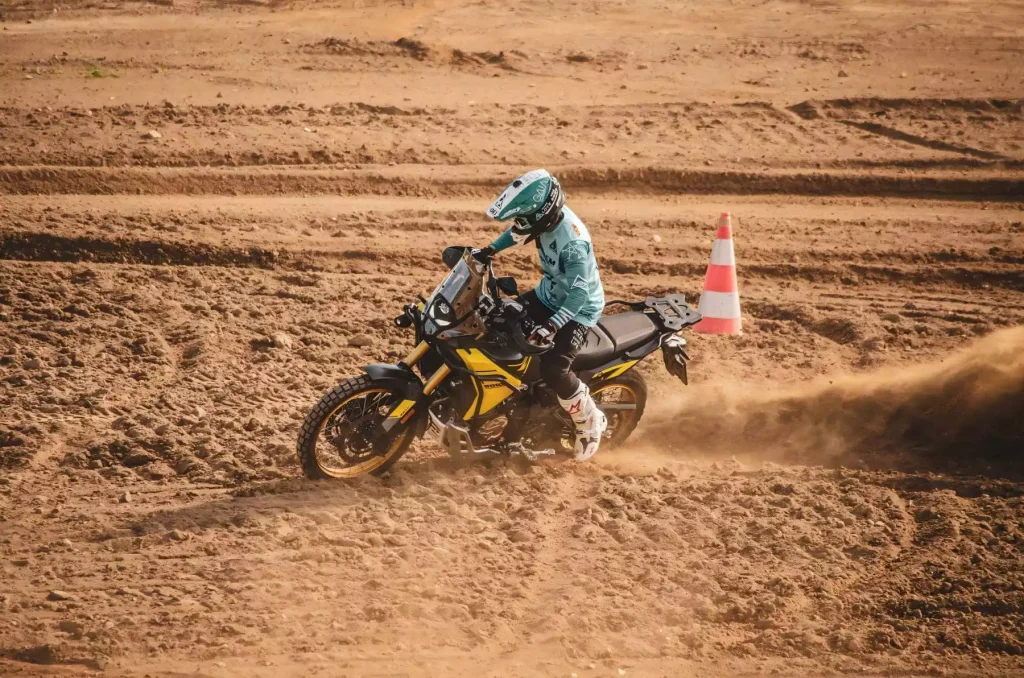
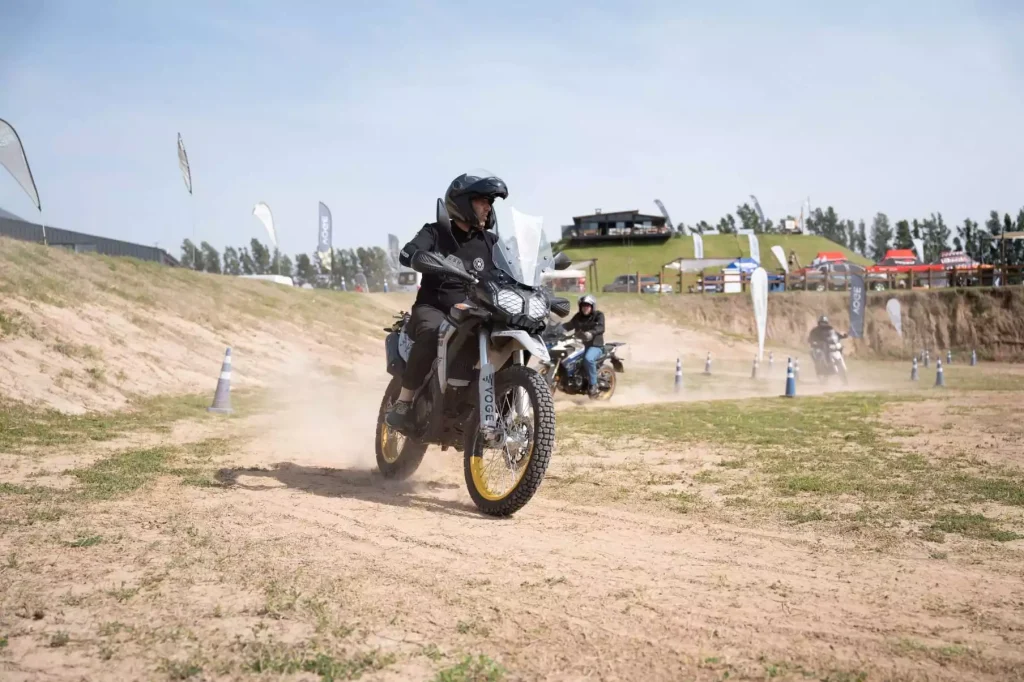
Off-road tires, by contrast, need to cope with much more variable terrain. Gravel, dirt, and other loose surfaces cannot provide the same consistent support as paved roads. The tire therefore needs to create more effective mechanical engagement with the terrain through its tread blocks.
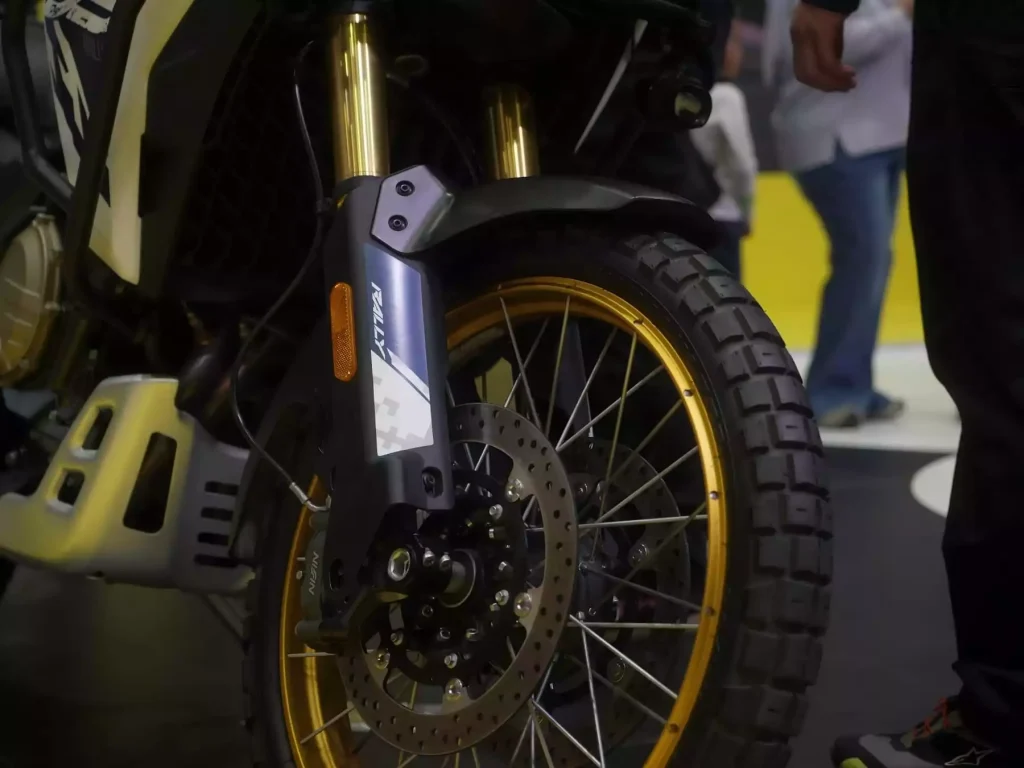
This is why off-road tires typically feature larger tread blocks and a more open tread pattern. The tread blocks help generate traction on loose surfaces, while the larger gaps between them provide space for dirt and gravel to move through the tread, helping maintain traction when the terrain becomes loose or muddy.
Tread design, therefore, is far more than a visual feature. It is an important part of how a tire is engineered to perform under specific riding conditions.
Why Do Different Tires Feel Different to Ride?
When the design priorities of a tire change, the riding experience changes with them.
Tires designed primarily for paved roads generally provide a smoother and more stable feel, with consistent feedback during highway riding and cornering.
Off-road-oriented tires use more pronounced tread blocks and a more open pattern to improve traction on loose surfaces. On paved roads, however, this type of tread may produce more noticeable road feedback and tire noise, while the steering response can also feel different from that of a road-focused tire.
This does not mean that one design is inherently better than the other. The differences are simply a result of different engineering priorities.
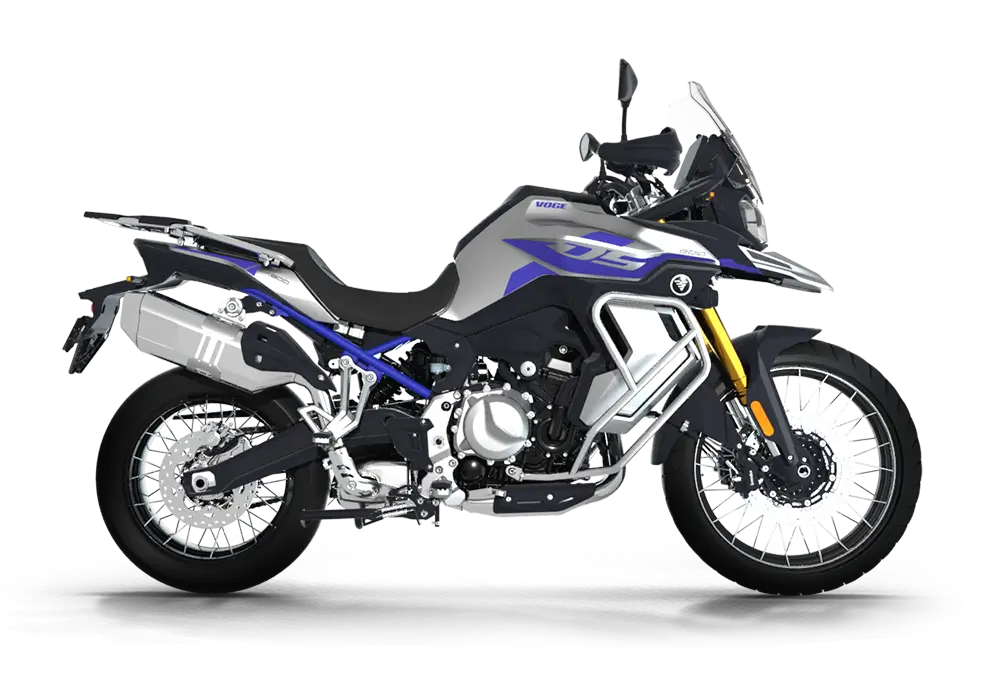
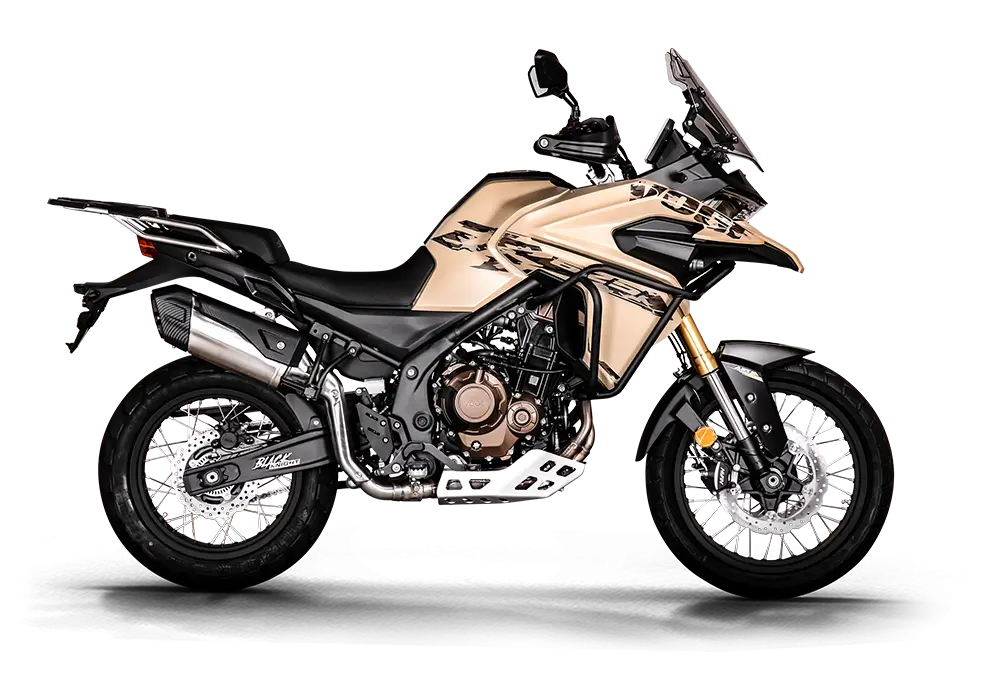
From a complete motorcycle engineering perspective, tire performance also cannot be considered separately from the motorcycle itself. Tires work together with the chassis, suspension, and overall vehicle setup to create the motorcycle’s handling and riding characteristics. For VOGE, finding the right balance between the tire, chassis, and real-world riding environment is also an important consideration in motorcycle development.
Conclusion
The fundamental difference between road and off-road tires lies in the design priorities shaped by their intended riding environments.
Road tires focus on stable contact, grip, and predictable handling on paved surfaces, while off-road tires use larger tread blocks and more open patterns to improve traction on loose and uneven terrain.
Understanding how a tire works with both the road surface and the motorcycle as a whole is an important part of understanding motorcycle handling.