How Riding Style Affects Motorcycle Maintenance
Motorcycle maintenance is not determined by mileage alone. Where and how a motorcycle is ridden can also affect the loads placed on different components.
City commuting, long-distance touring, and off-road riding expose a motorcycle to different levels of braking, vibration, heat, and load. As a result, two motorcycles with similar mileage may experience very different types of wear.
Understanding these differences can help riders identify which components deserve more attention during everyday use, while following the maintenance schedule recommended by the manufacturer.
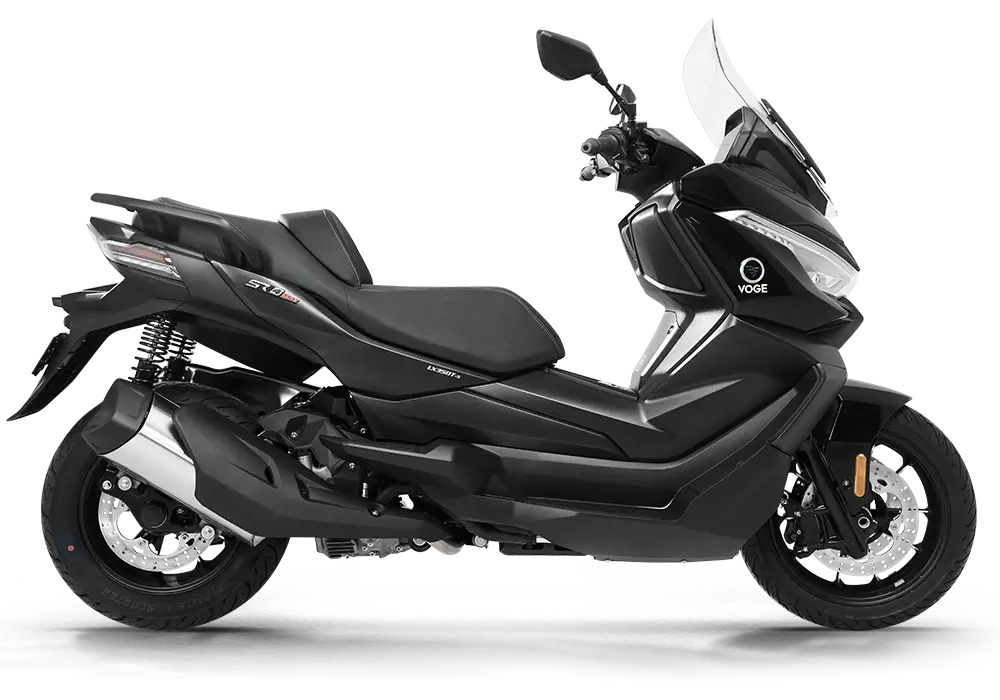
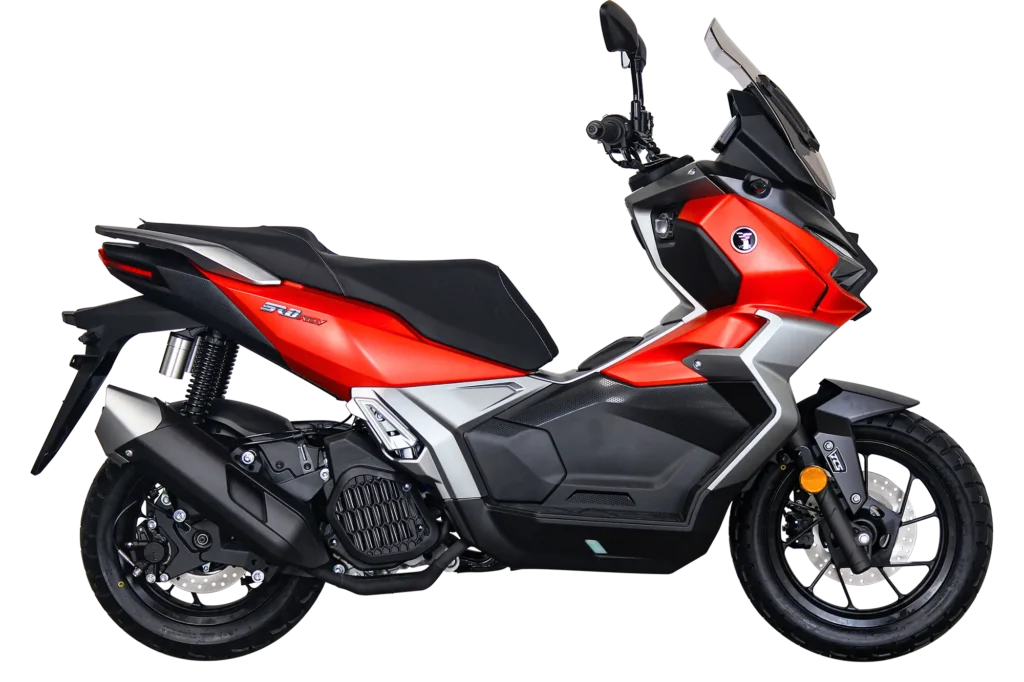
Frequent Stops in City Riding

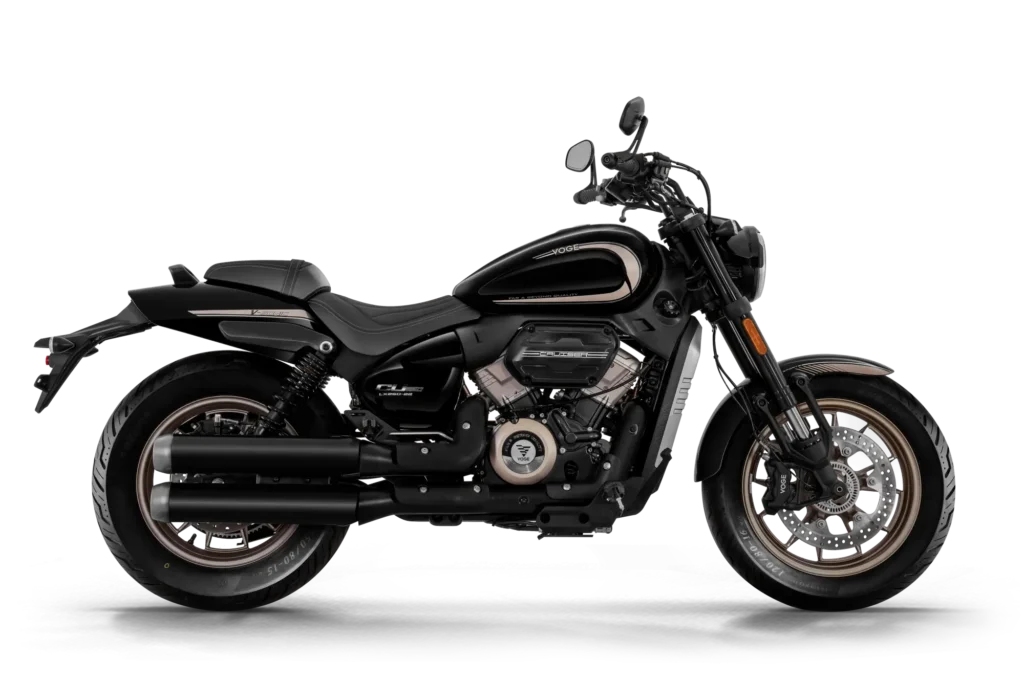
City commuting usually involves frequent starts, slowing down, and stops. Compared with steady cruising, this stop-and-go riding requires the braking system to work more frequently and increases the use of the clutch and drivetrain.
Low-speed riding in congested traffic also keeps the motorcycle in frequent cycles of starting, slowing, and low-speed operation. For motorcycles used mainly for commuting, riders can pay attention to brake feedback, clutch feel, and any unusual noises or changes from the drivetrain in addition to following the recommended maintenance schedule.
If a motorcycle is regularly used for short trips, the battery and engine oil also deserve attention. Frequent starts and short-distance riding create different operating conditions from longer, continuous rides.
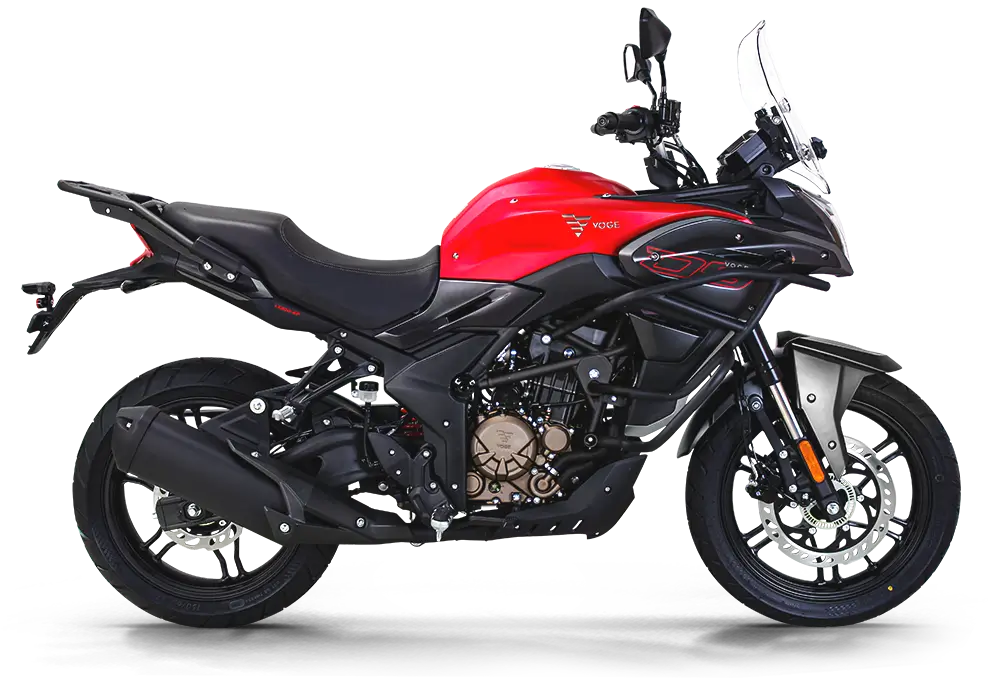
Sustained Loads During Long-Distance Riding
The main characteristic of long-distance riding is not simply greater mileage, but the longer period of continuous operation.
Extended riding keeps the engine, cooling system, tires, and drivetrain working for longer periods. If the motorcycle is also carrying a passenger or additional luggage, the overall load changes and can affect tire loading, braking performance, and handling.
For this reason, tires, brakes, drivetrain components, fluids, and suspension are worth checking before and after a long trip. For riders who regularly travel long distances, continuous riding, additional luggage, and changing road conditions should all be considered as part of routine checks.

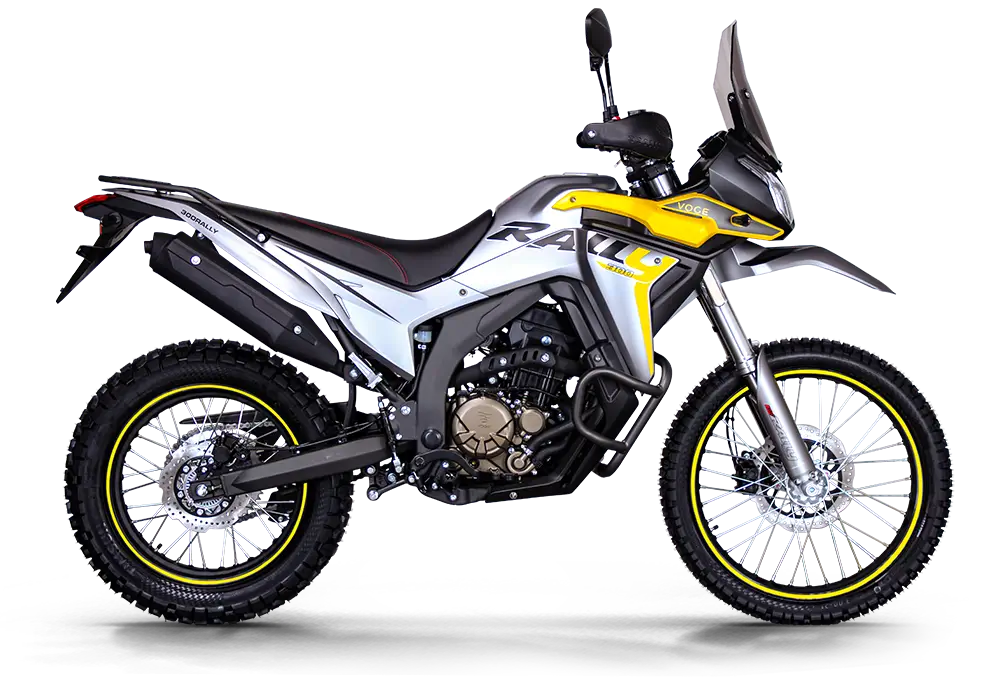
Impact and Vibration on Unpaved Roads
The effects of unpaved riding go beyond increased exposure to mud, dust, and debris.
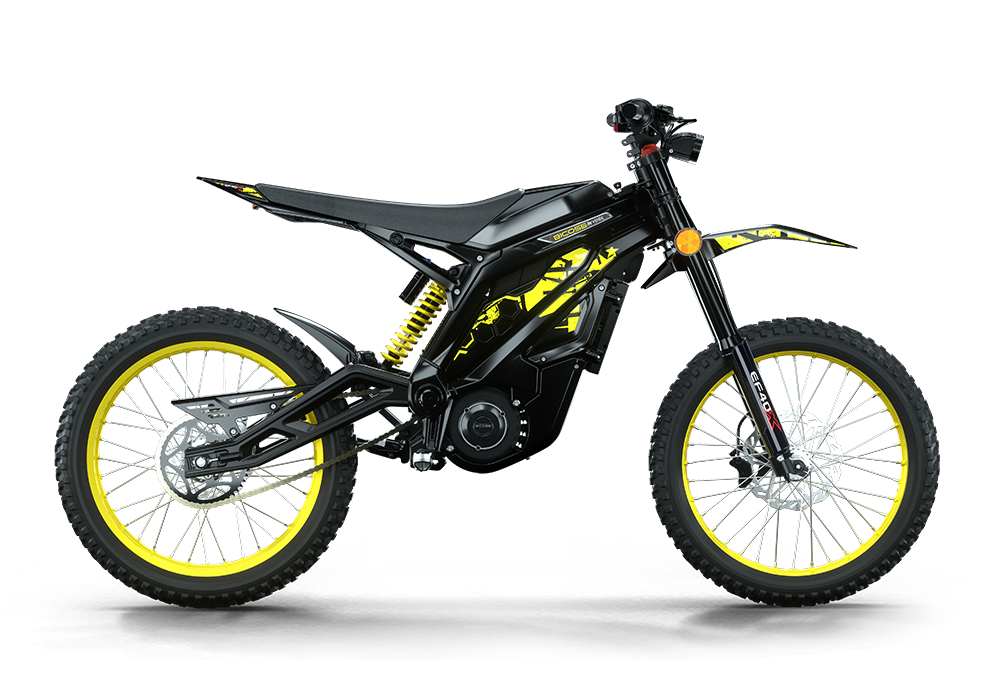
Gravel, potholes, and loose surfaces can increase impact and vibration, while also placing greater demands on the suspension. Tires, wheels, chains, and suspension components also face conditions that differ from those encountered on paved roads.
For riders who regularly travel on unpaved surfaces, tires and chains deserve attention, along with suspension components and wheels that may be more exposed to repeated impacts.
The key is not simply to increase maintenance frequency, but to understand how different road surfaces change the types of stress placed on the motorcycle

Wear Priorities by Riding Style
Riding style alone does not determine the service life of a particular component, but it can influence which parts experience greater or more frequent loads.
| Riding Style | Main Areas to Monitor |
| City commuting | Brakes, clutch, low-speed drivetrain |
| Highway cruising | Tires, engine, cooling system |
| Long-distance touring | Tires, drivetrain, fluids, suspension |
| Off-road riding | Suspension, tires, chain, wheels |
| Sport riding | Tires, brakes, drivetrain |
Actual conditions will also depend on the motorcycle, road conditions, load, and riding habits. The table is therefore intended as a reference for everyday checks rather than a fixed maintenance standard.
Adapting Maintenance to Your Riding Conditions

The manufacturer’s recommended maintenance schedule should always be the starting point, but mileage alone cannot fully reflect the conditions a motorcycle has experienced.
For example, two motorcycles may have both traveled 5,000 km, while one has mainly been used for steady highway cruising and the other for congested city roads and frequent short trips. Despite having the same mileage, they may have experienced very different operating loads. Following the manufacturer’s maintenance schedule while also considering actual riding conditions can provide a more complete approach to routine care.
Unusual noises, increased vibration, changes in brake feel, or differences in steering and suspension feedback are all worth paying attention to. Being familiar with how the motorcycle normally sounds, feels, and handles can make it easier to notice changes and arrange an inspection when necessary.
Good maintenance is not simply about repeating the same checks at fixed intervals. It means following the manufacturer’s maintenance requirements while adjusting areas of attention according to how the motorcycle is actually used. For different VOGE models, considering the characteristics of the specific model together with actual riding conditions can also help keep the motorcycle in good condition over the long term.