How to Reduce Rider Fatigue on Long Motorcycle Trips
Fatigue tends to build up gradually during long motorcycle trips. At the beginning of a ride, the body may feel comfortable, but after several hours, pressure on the shoulders, wrists, lower back, and legs can gradually increase.
To make long-distance riding more comfortable, it is important to consider not only when to take breaks, but also your riding position and whether the motorcycle is suitable for extended trips.
What Factors Increase Fatigue During Long Motorcycle Rides?
Maintaining the same riding position for a long time is a common source of fatigue. If the handlebar, seat, or footpeg position does not suit the rider’s body, certain parts of the body may remain in an uncomfortable position for too long, increasing localized pressure.
Wind resistance is another factor that can easily be overlooked. At higher speeds, continuous wind pressure acts on the helmet and upper body, requiring the rider to make constant adjustments to maintain stability. Motorcycle vibration can also become more noticeable as riding time increases.
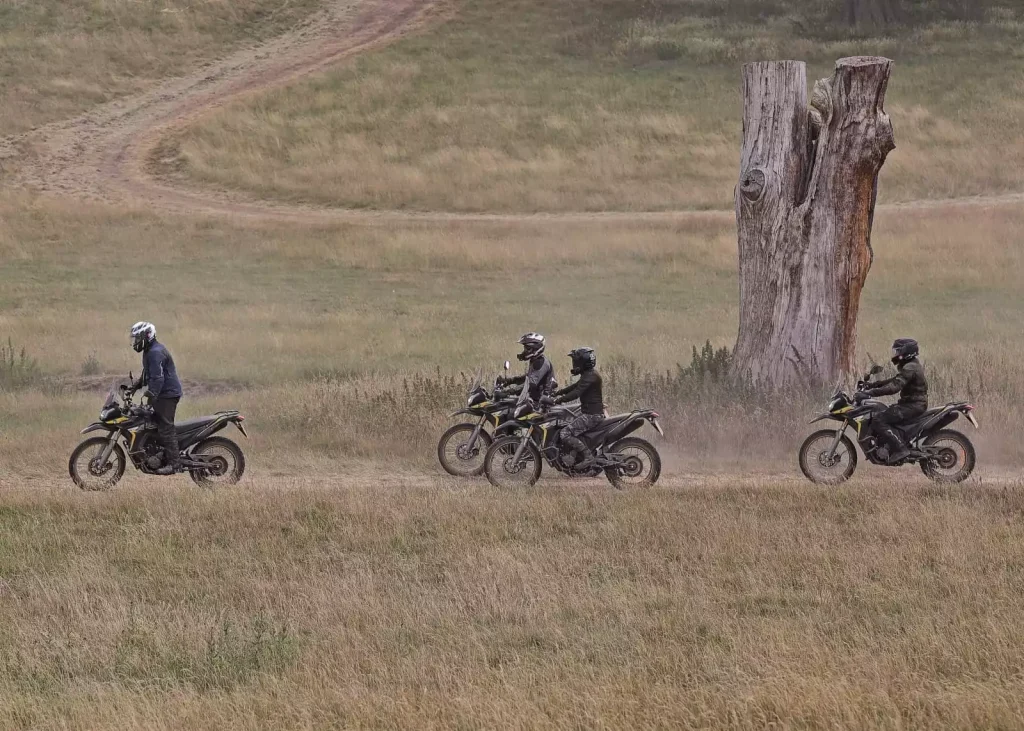
Road conditions also affect physical effort. Smooth highways, urban roads, winding roads, and unpaved surfaces place different demands on the rider’s body and motorcycle control.
Understanding these factors is the first step toward reducing unnecessary physical strain during a long ride.
Adjust Your Riding Position for Better Long-Distance Comfort
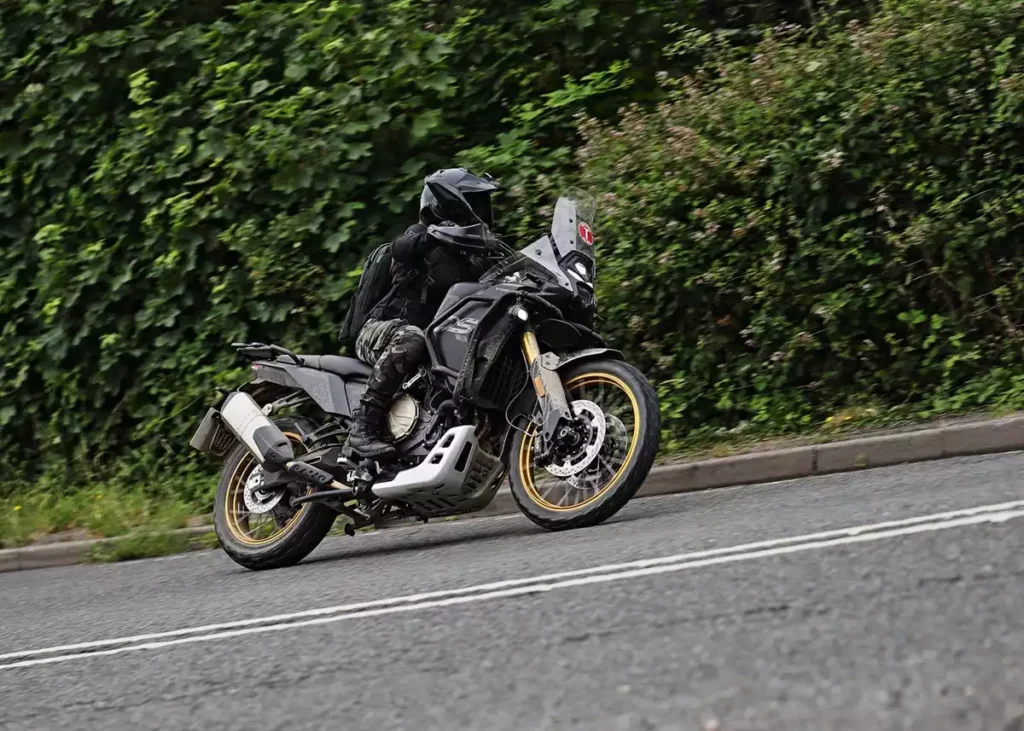
While riding, try to keep your shoulders and arms relaxed. Avoid gripping the handlebars too tightly, and do not rely too much on your hands to support your body weight. Keeping your elbows naturally bent can help keep your arms relaxed and reduce tension during long rides.
Your legs should also remain in a natural position. Keeping the knees excessively bent or the legs rigid for long periods may increase pressure on the legs and hips. On longer trips, when safety and vehicle control allow, adjusting your sitting position occasionally can help distribute pressure across different parts of the body.
Long-distance riding is not about finding one fixed position and maintaining it throughout the entire trip. The goal is to avoid keeping the body tense for too long and to make appropriate adjustments according to road conditions and riding time.
Choose a Motorcycle Suitable for Long-Distance Riding
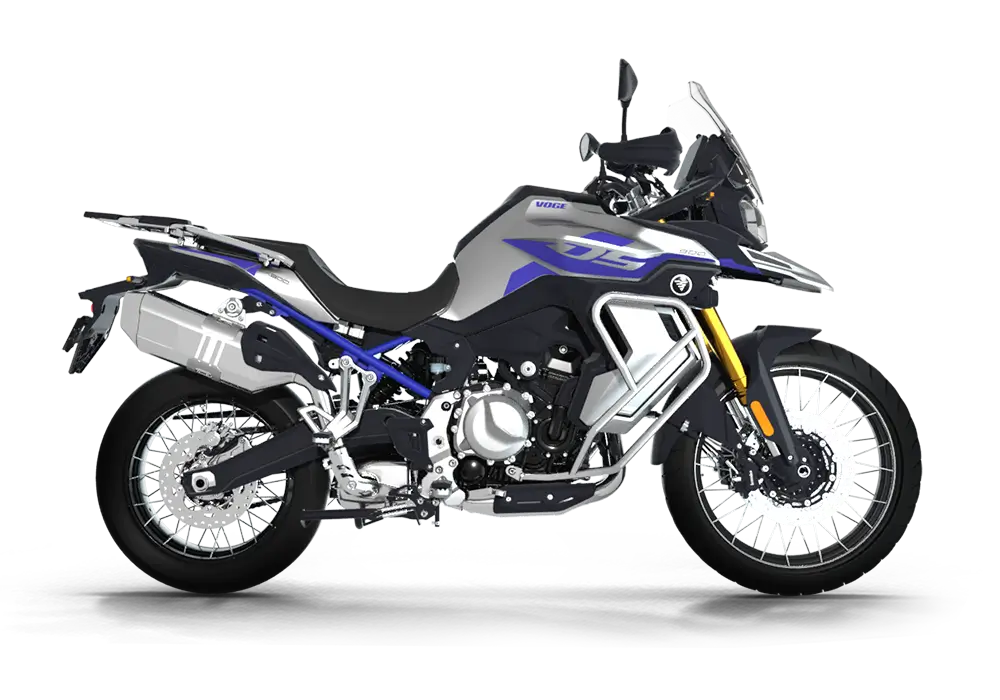
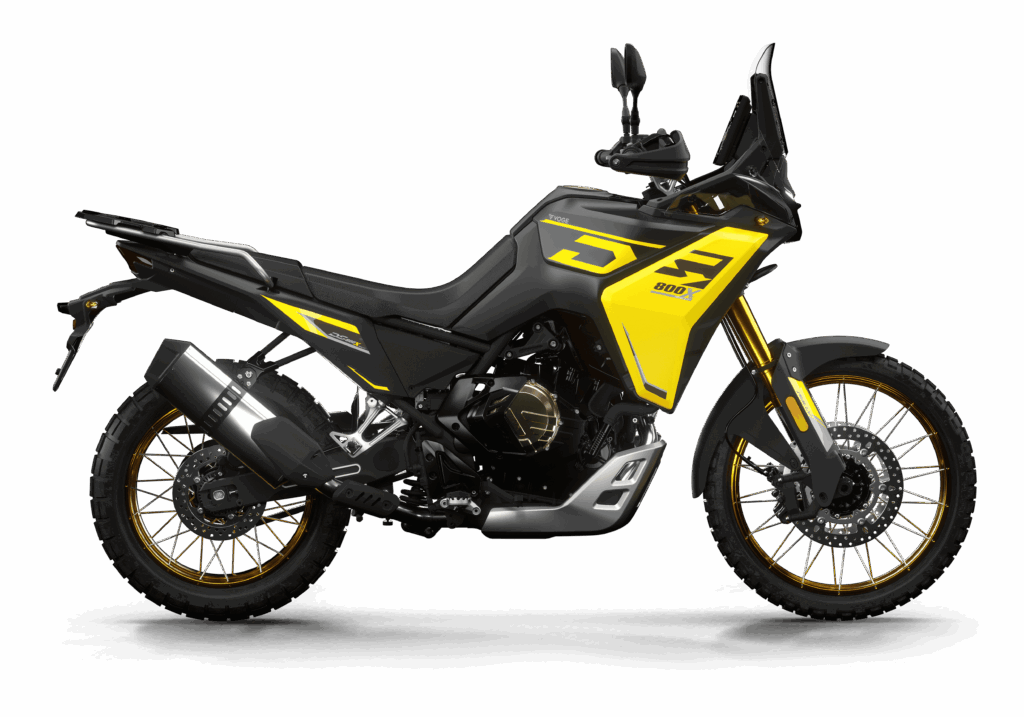
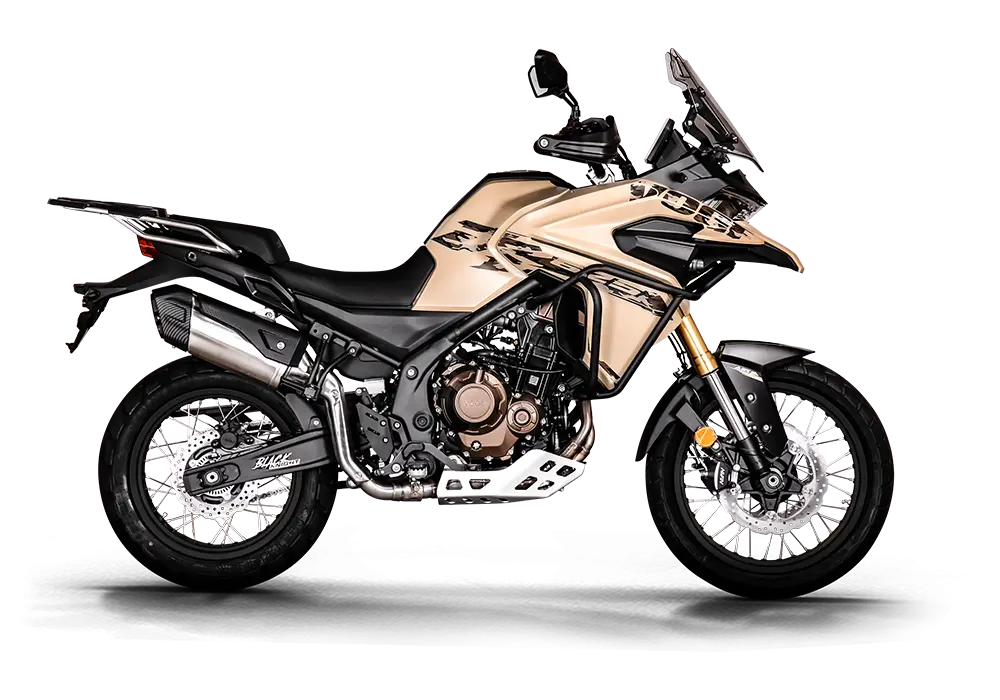
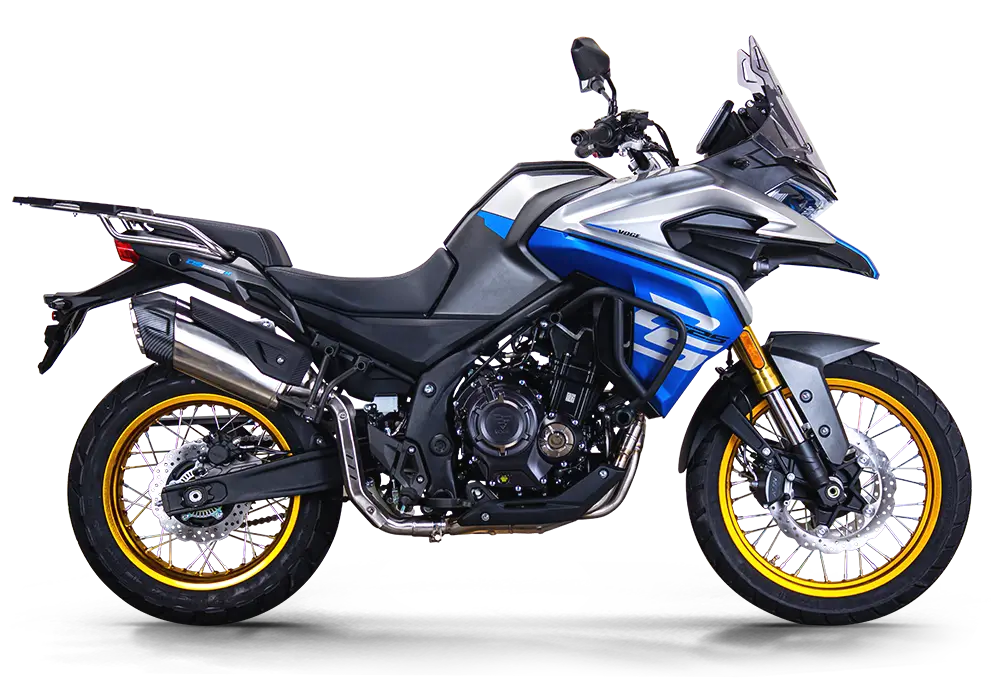
If you frequently take long trips, the motorcycle’s design is also worth considering. The relationship between the seat, handlebar, and footpegs affects the rider’s body position, while the windscreen, suspension, and engine characteristics can influence comfort at higher speeds or on more demanding roads.
| Motorcycle Factor | Impact on Long-Distance Riding |
| Seat and riding position | Affects pressure on the lower back, hips, and legs |
| Handlebar and footpeg position | Affects the position of the wrists, shoulders, and knees |
| Windscreen and airflow | Helps reduce direct wind pressure at higher speeds |
| Suspension system | Helps handle impacts from different road surfaces |
| Engine characteristics | Power delivery and vibration can affect riding comfort |
| Luggage capacity | Makes it easier to carry travel equipment |
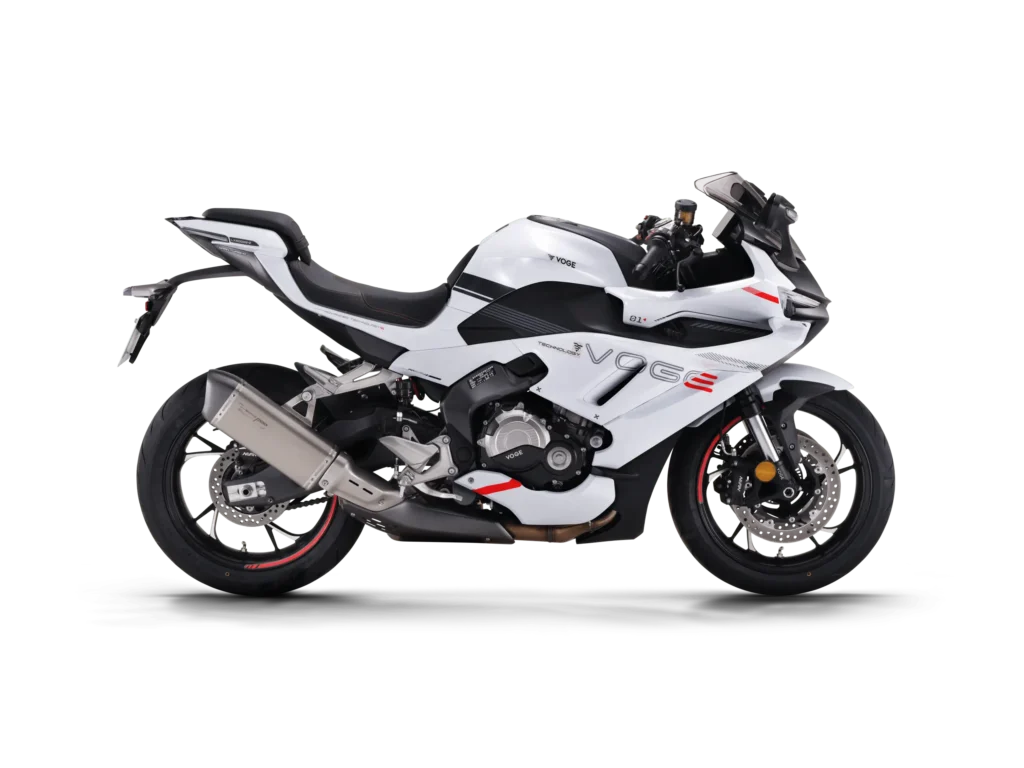
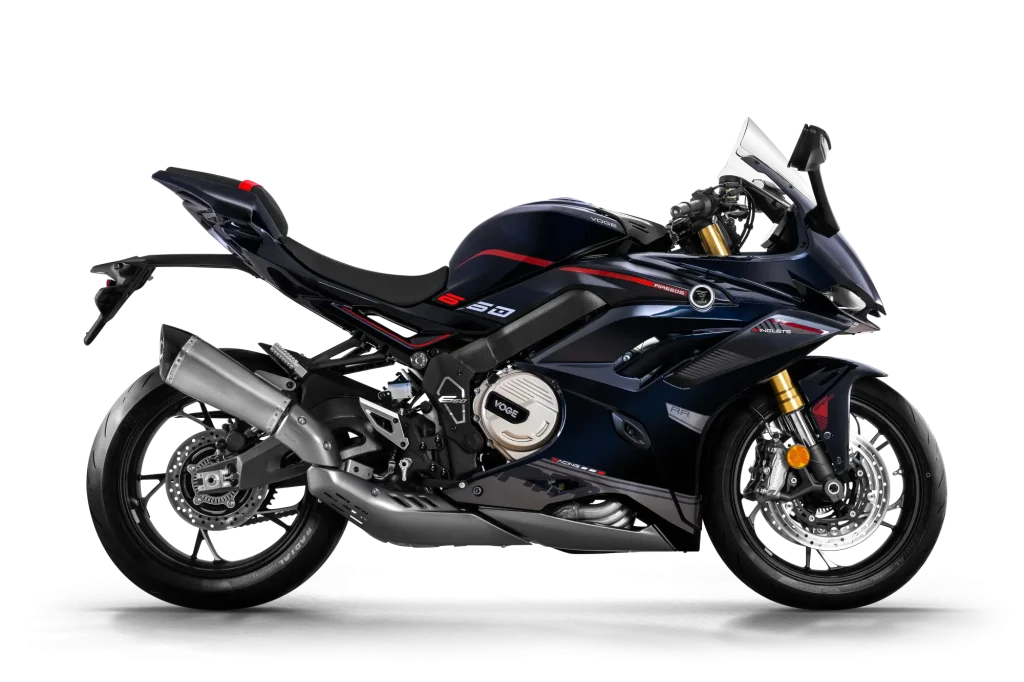
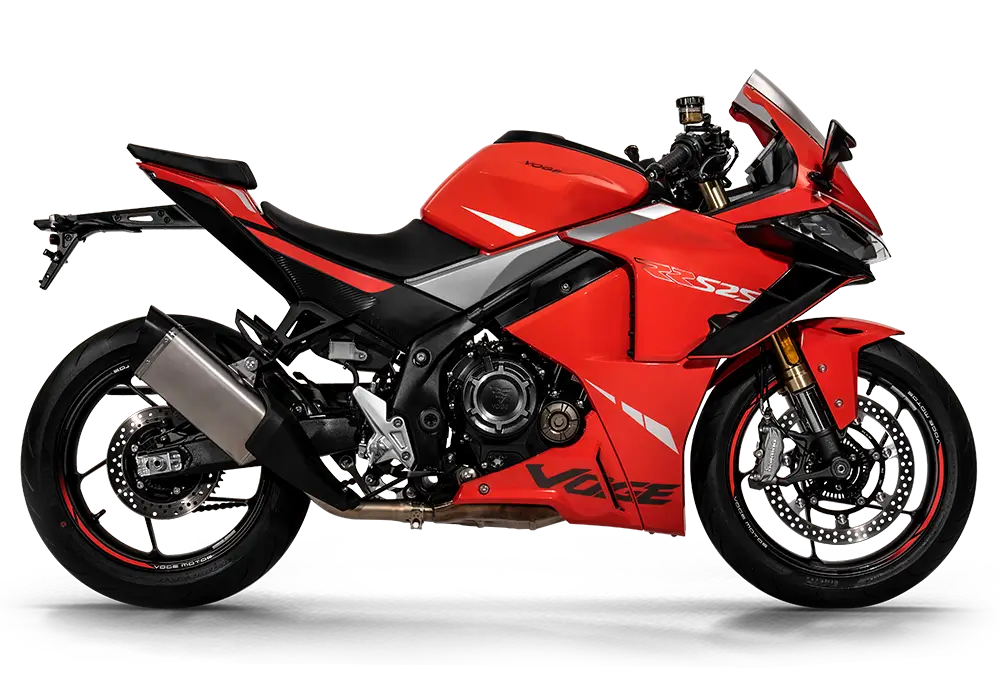
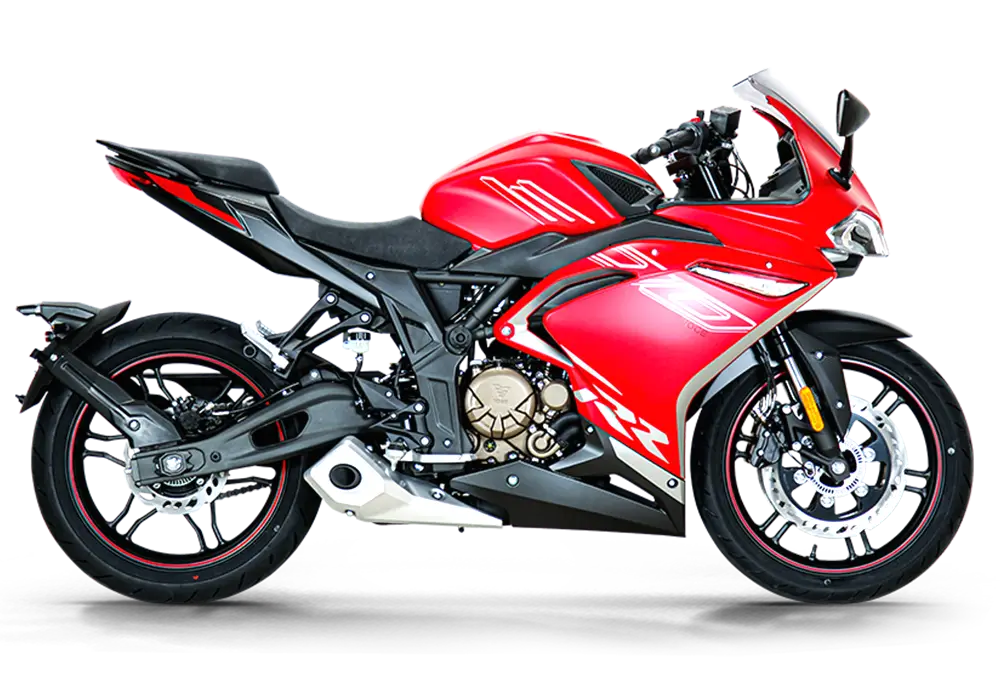
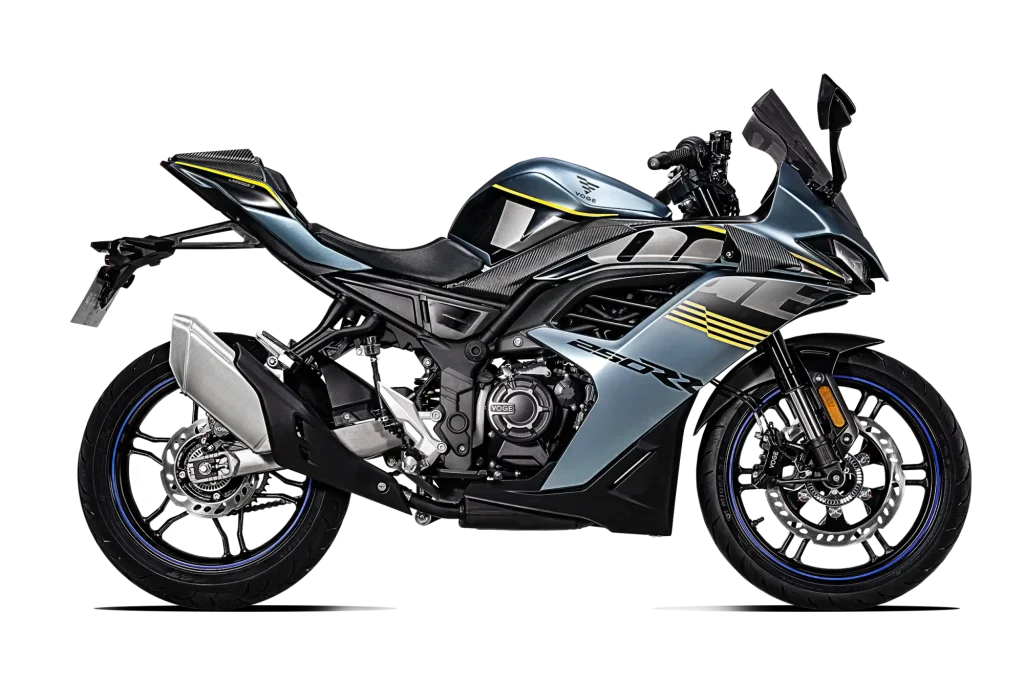
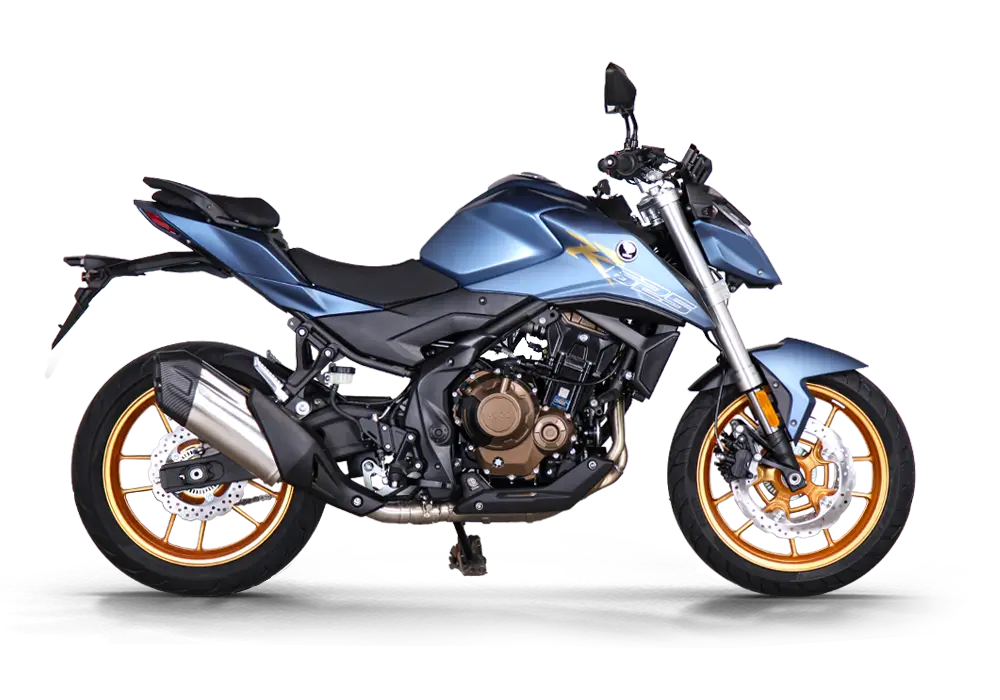
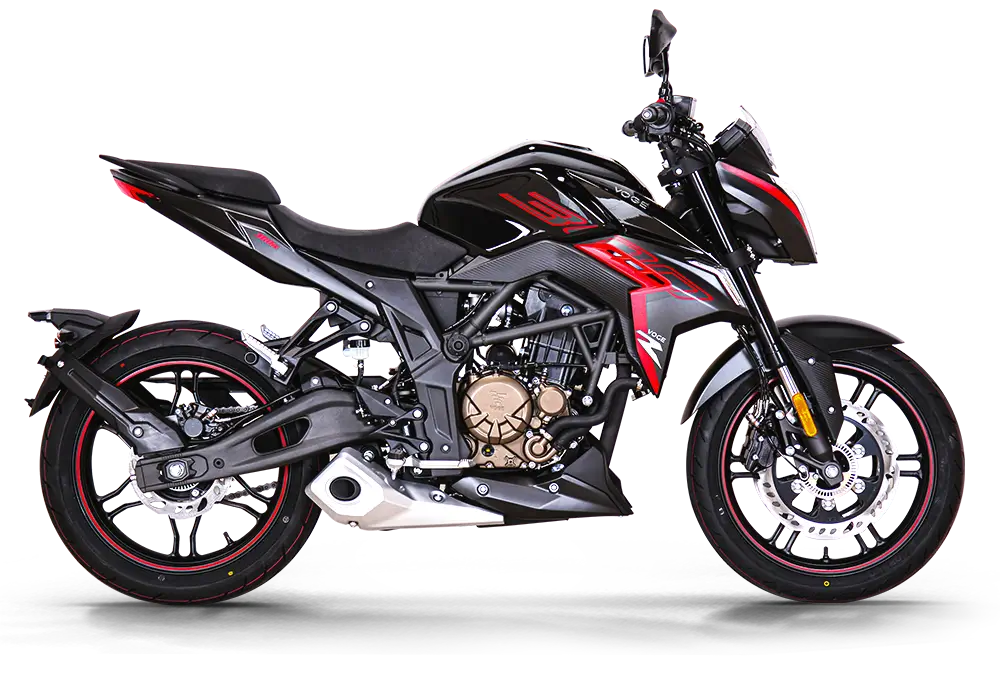
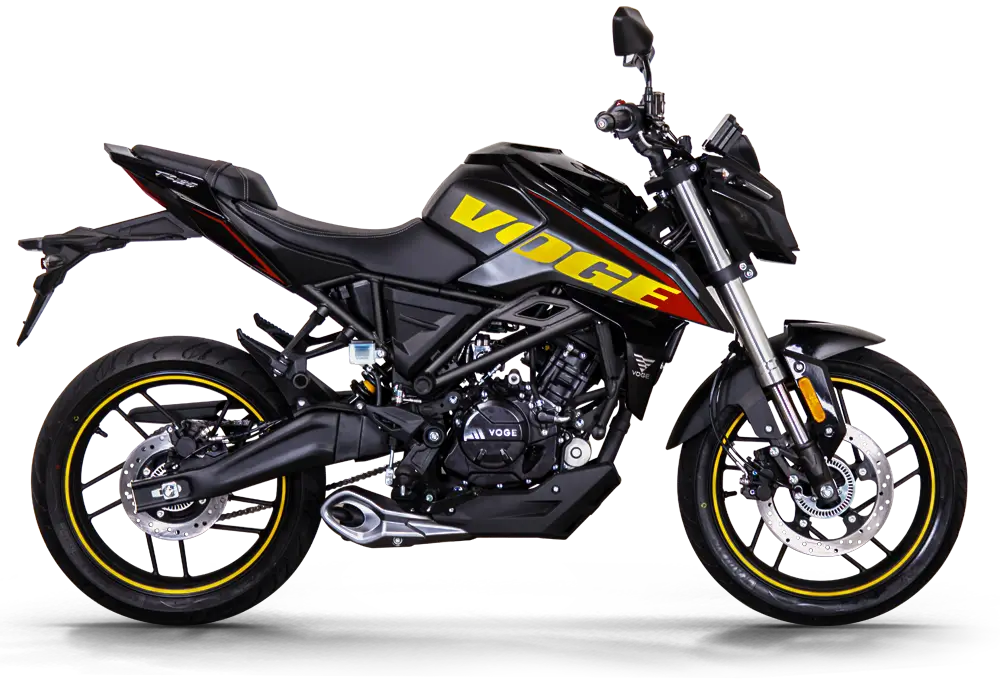
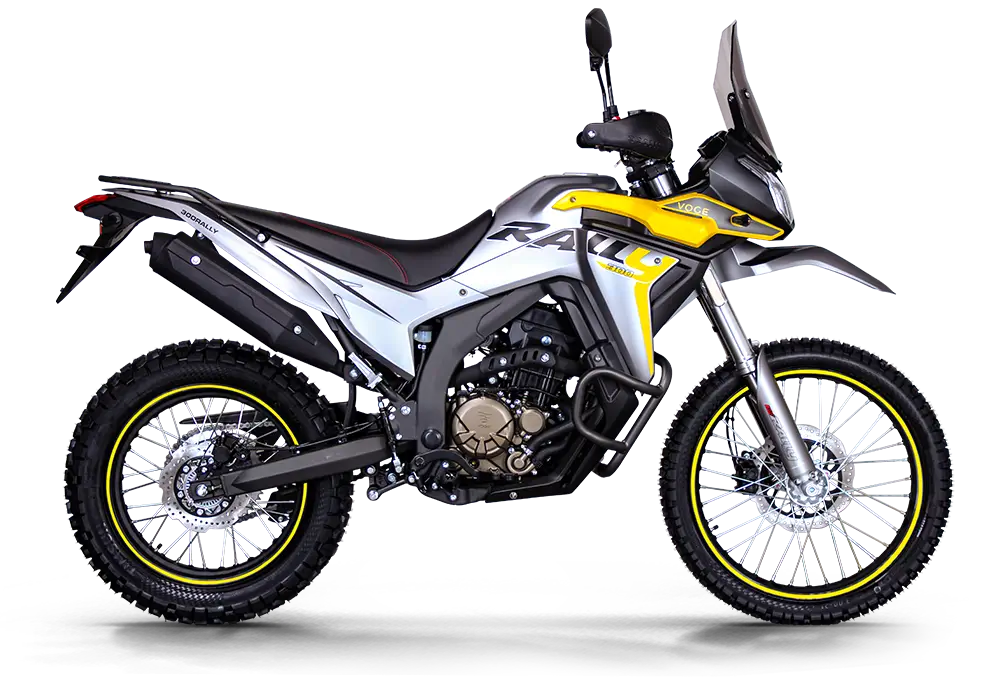
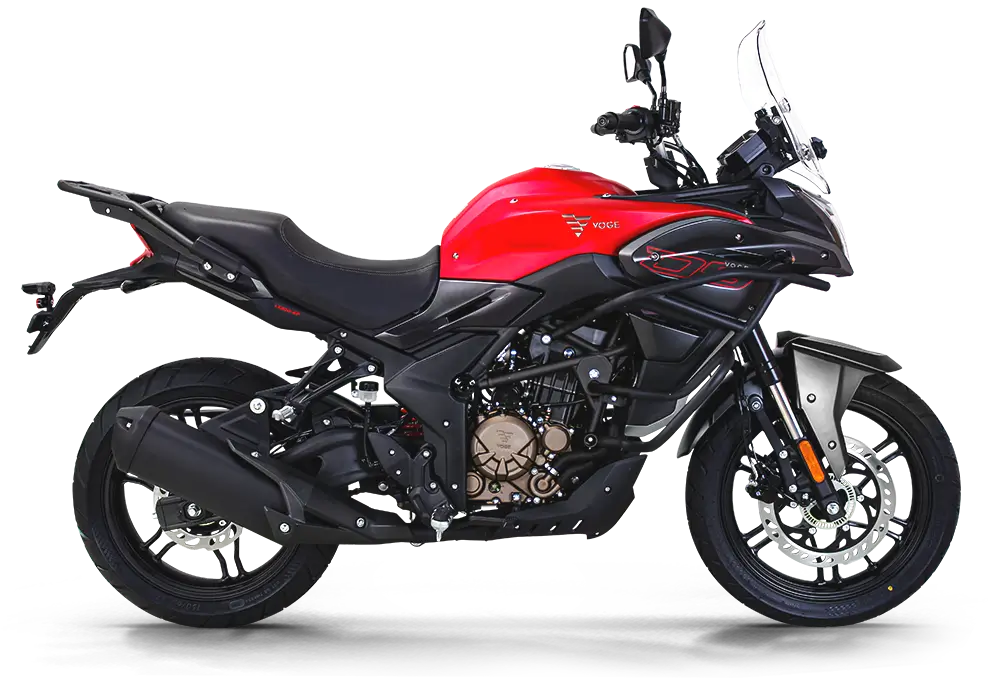
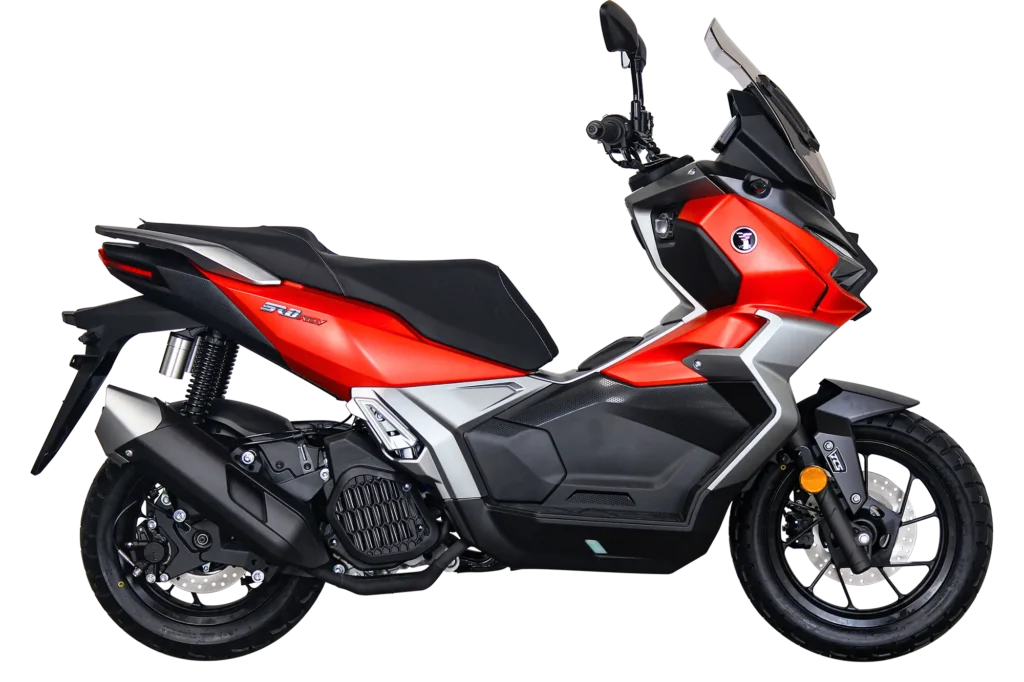
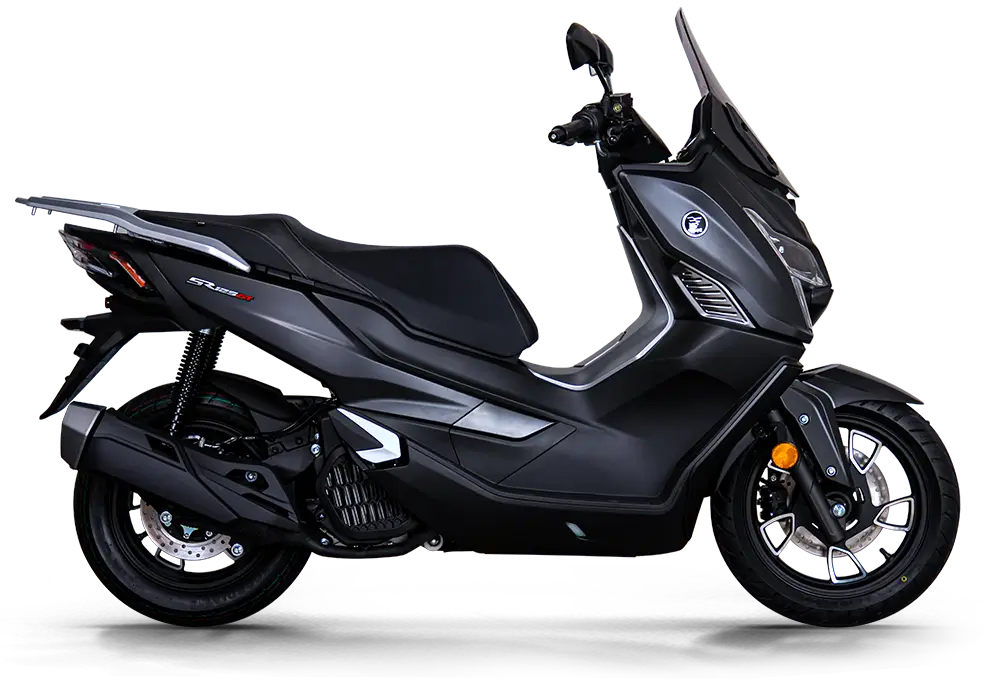
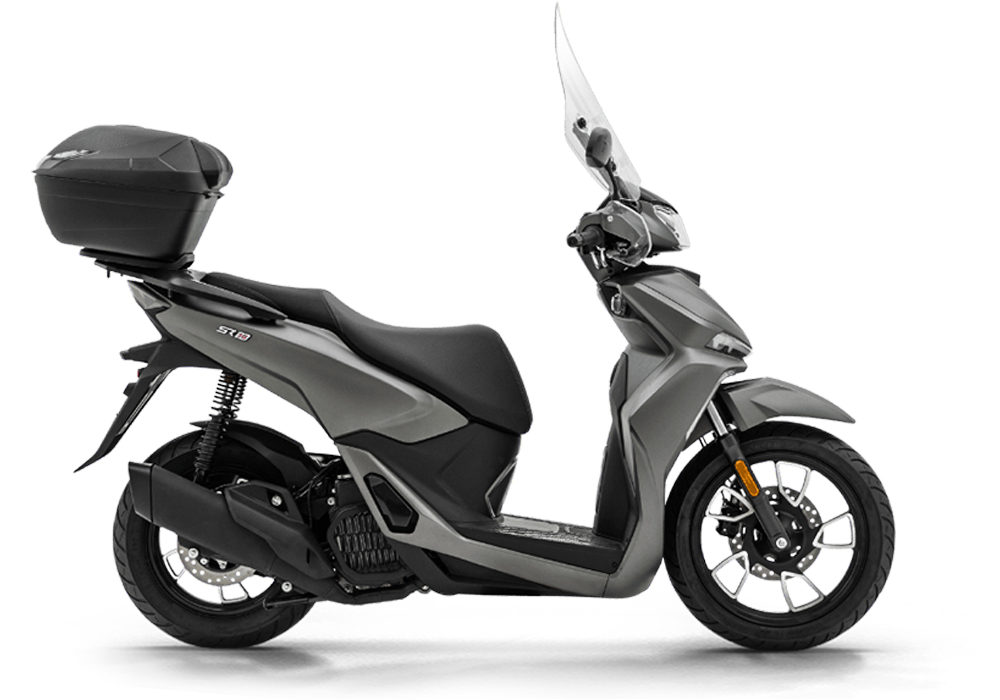
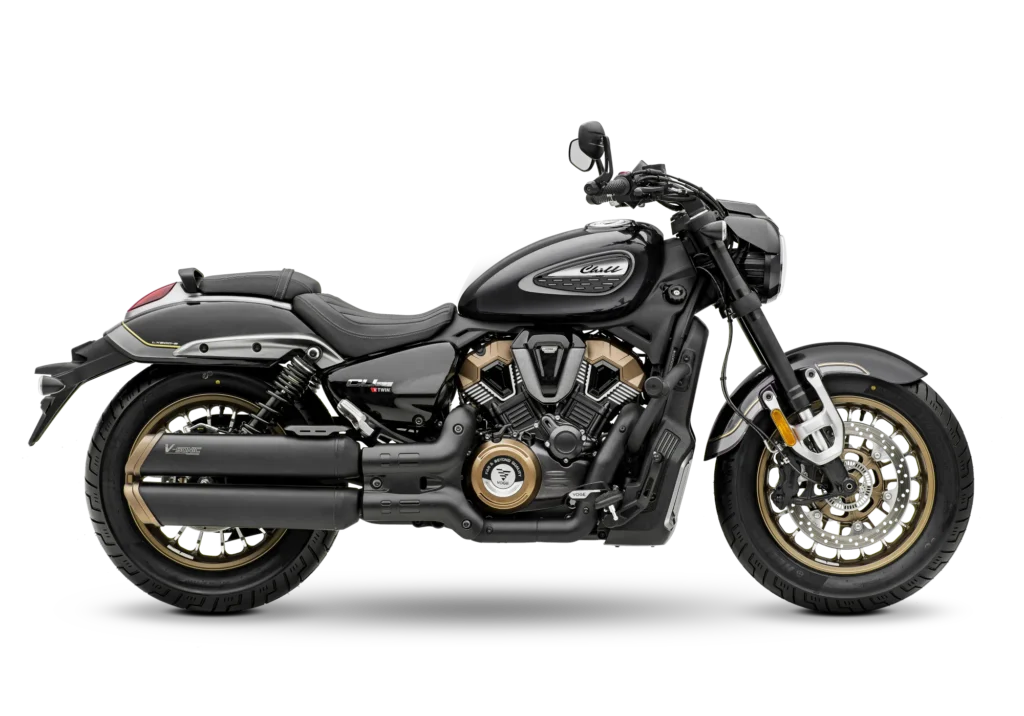
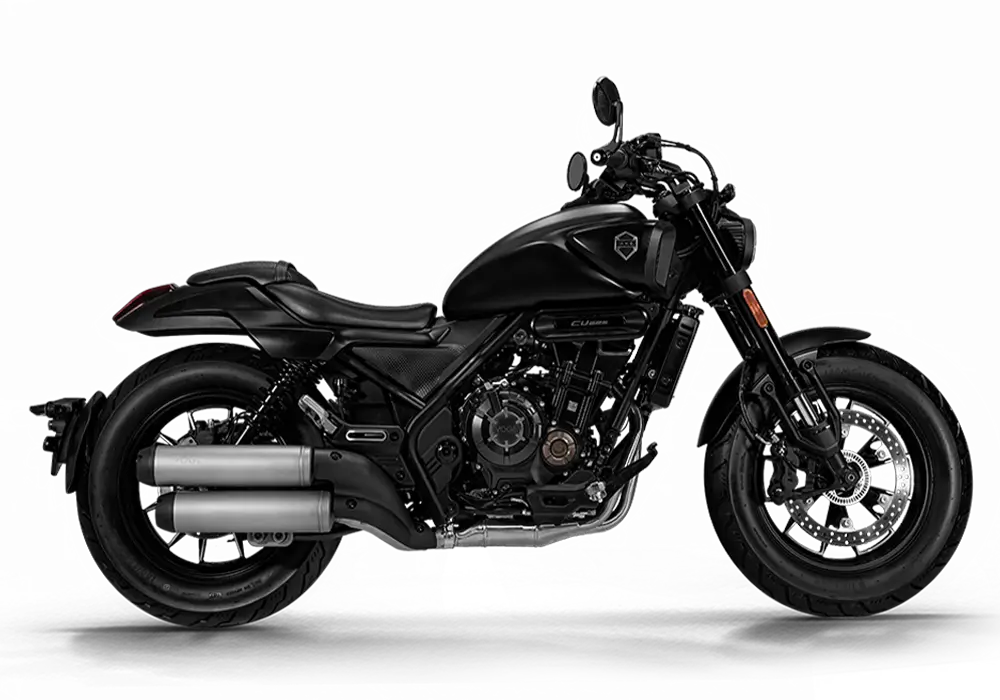
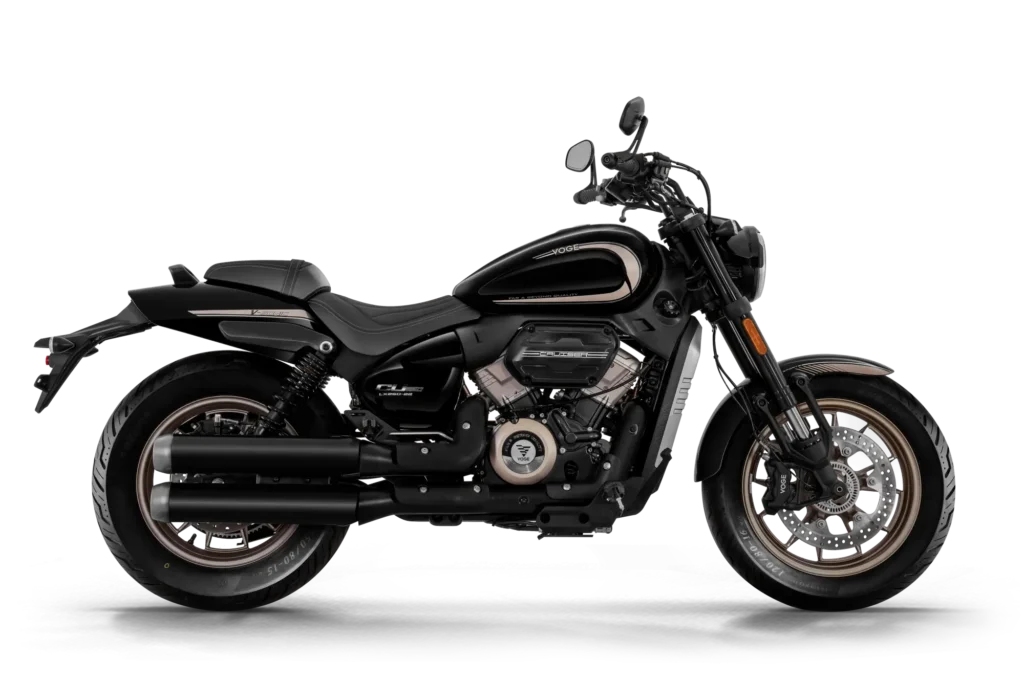
Different types of motorcycles have different design priorities. For example, ADV motorcycles generally emphasize an upright riding position, suspension performance, and the ability to handle different road conditions. Cruiser motorcycles tend to focus more on a relaxed riding position and long-distance cruising. Sport and street motorcycles make different compromises between handling, riding position, and everyday practicality.
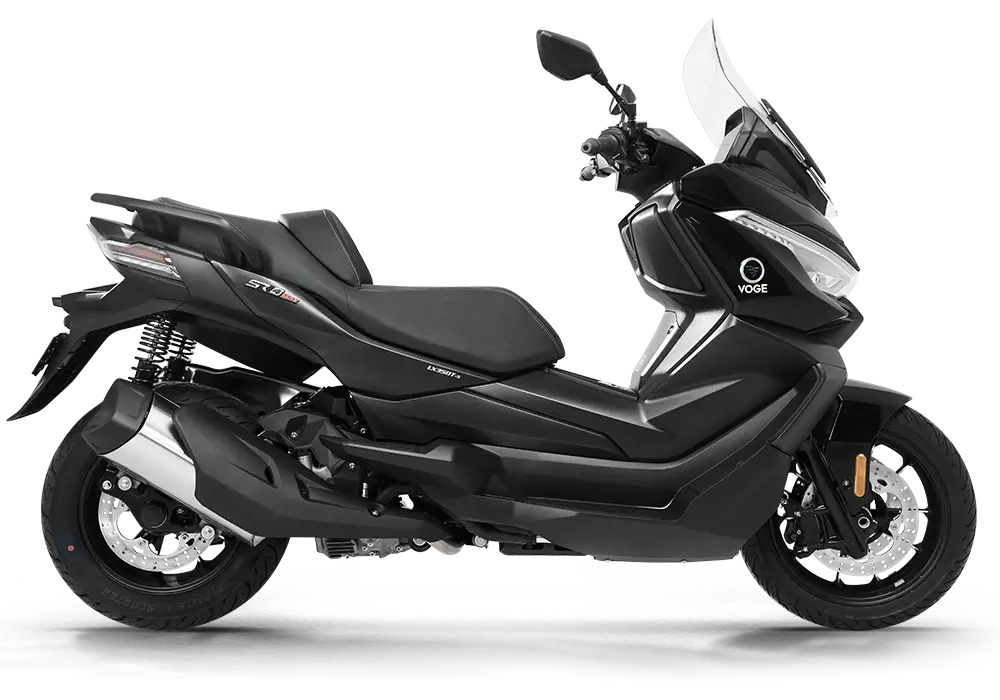
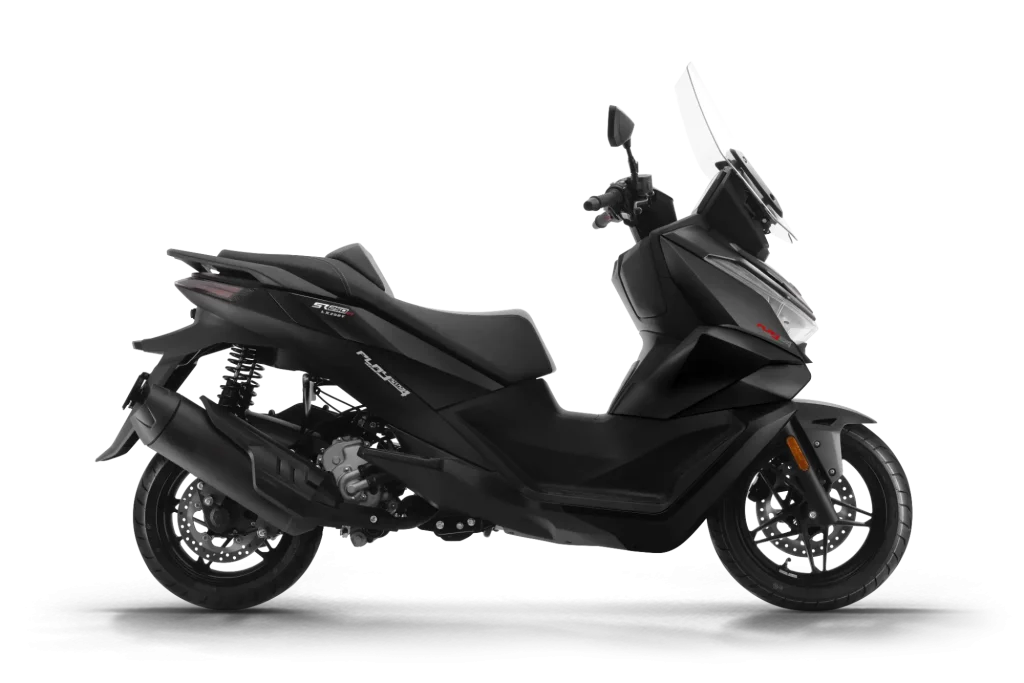
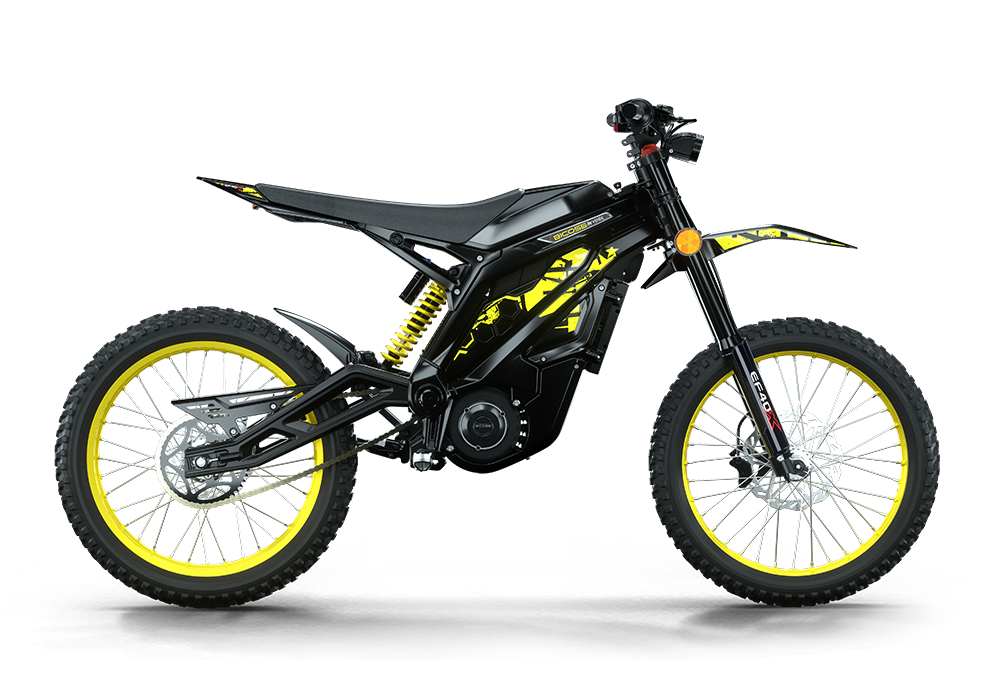
VOGE offers different types of motorcycles, including ADV, Cruiser, Sport, and Street models, allowing riders to choose according to their routes and riding needs. For long-distance trips involving mixed road conditions, an ADV motorcycle may be a suitable option. For long rides mainly on paved roads, riders can consider other motorcycle types based on their preferred riding position and handling characteristics.
When choosing a motorcycle for long-distance travel, there is no need to look for a single “most comfortable” option. Instead, consider the riding distance, road conditions, body size, and personal riding habits.
Plan Your Riding Pace and Breaks
Even with a suitable riding position and motorcycle, riding continuously for too long can still lead to fatigue. It is therefore helpful to plan rest stops along the route and take a short break, walk around, and drink some water before fatigue becomes significant.
The distance covered each day should also take actual road conditions into account. Highways, mountain roads, and unpaved roads place different demands on the body and require different levels of attention. When road conditions are more challenging or the weather changes, allow enough time in the schedule rather than riding continuously just to meet a planned distance.
During a long motorcycle trip, instead of simply trying to cover more distance, focus on your riding position, motorcycle choice, and rest schedule to reduce unnecessary physical strain.