How Windshield Design Shapes the Riding Experience of a Maxi Scooter
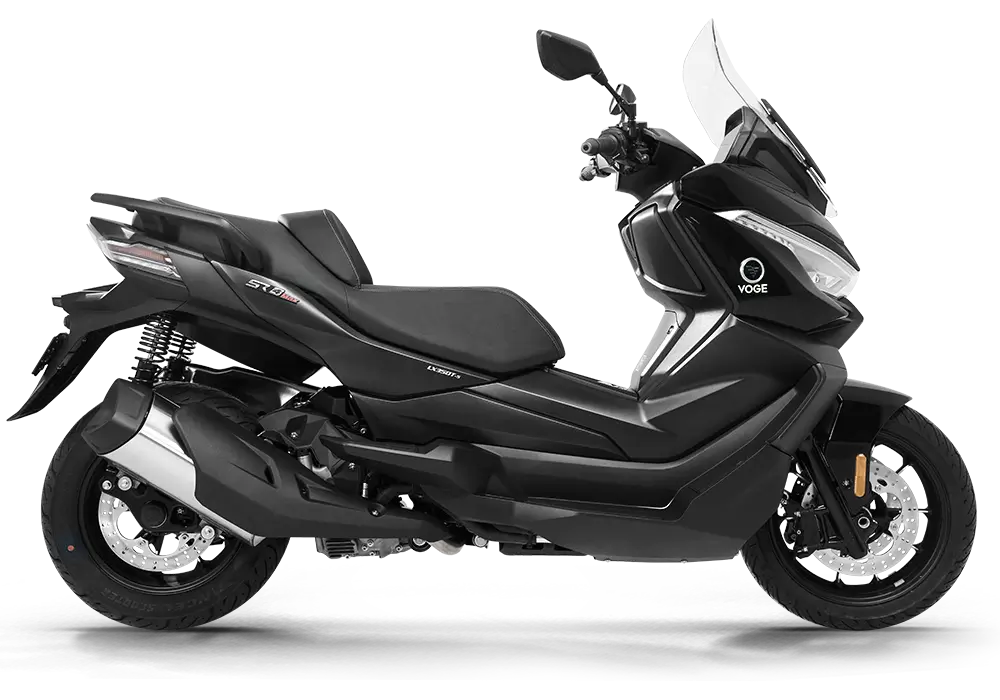
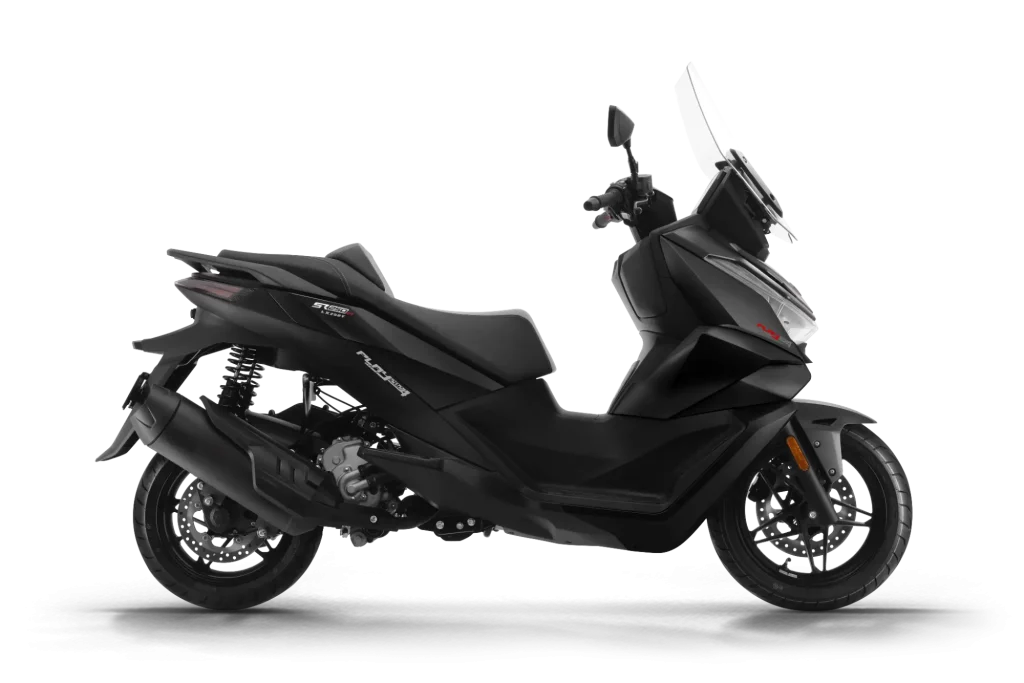
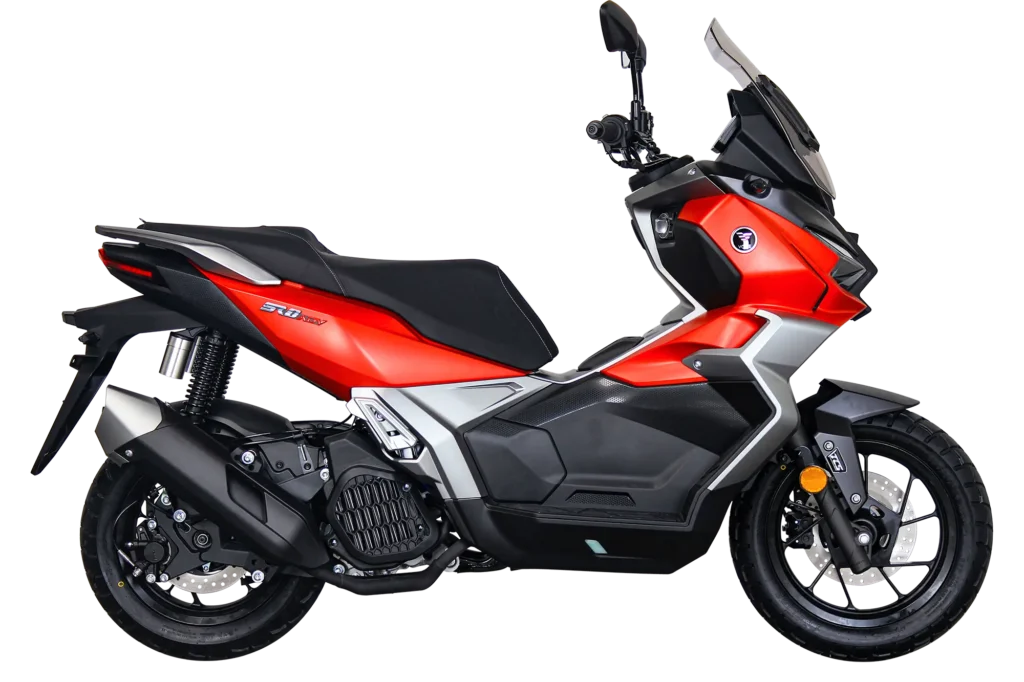
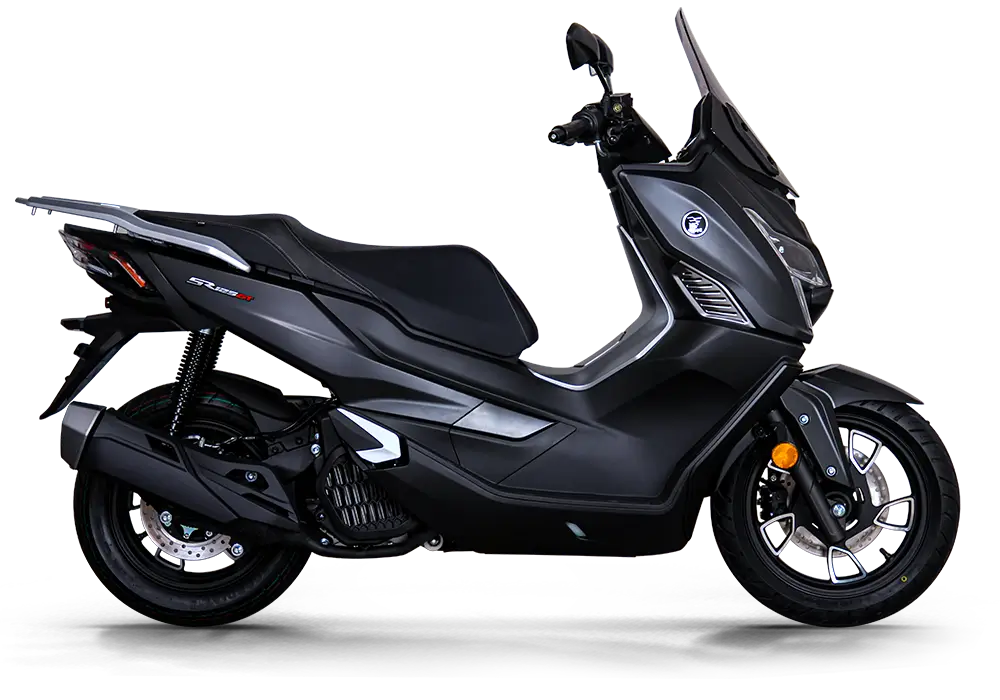
For a maxi scooter, the windshield is more than a styling feature. Its height, width, and shape influence airflow around the rider, affecting wind pressure, visibility, and overall riding comfort.
Different riding conditions, from urban commuting to highway cruising and long-distance touring, place different demands on windshield design. Understanding these design factors and how they relate to riding posture and vehicle structure can help riders determine whether a maxi scooter suits their needs.

How Does Windshield Design Affect Riding Comfort?
Windshield height, width, and angle are the main design factors that influence its performance.
Windshield Height
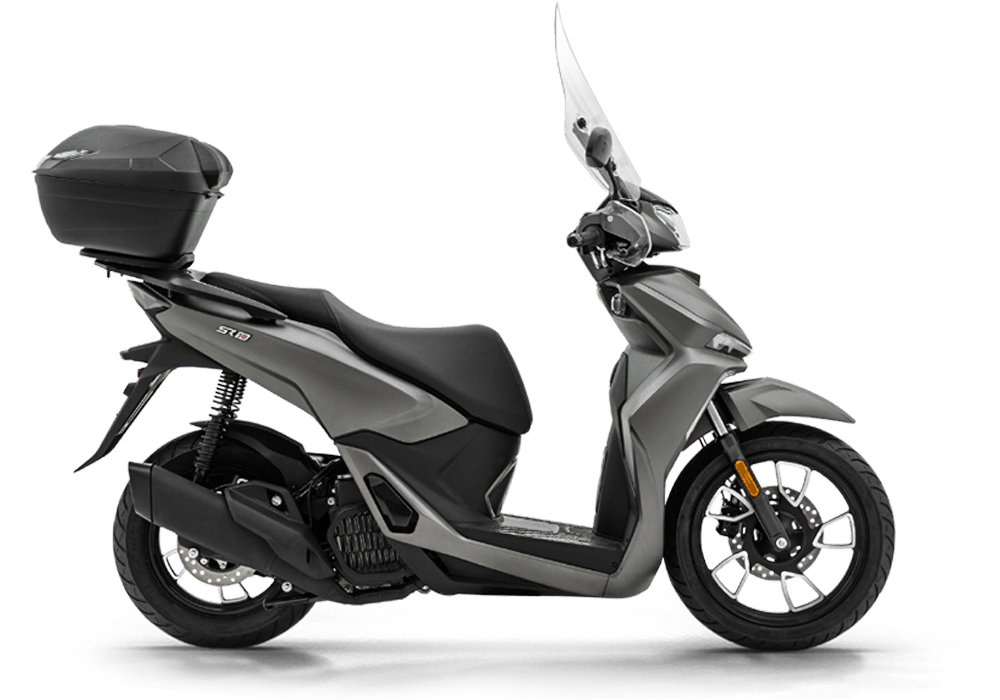
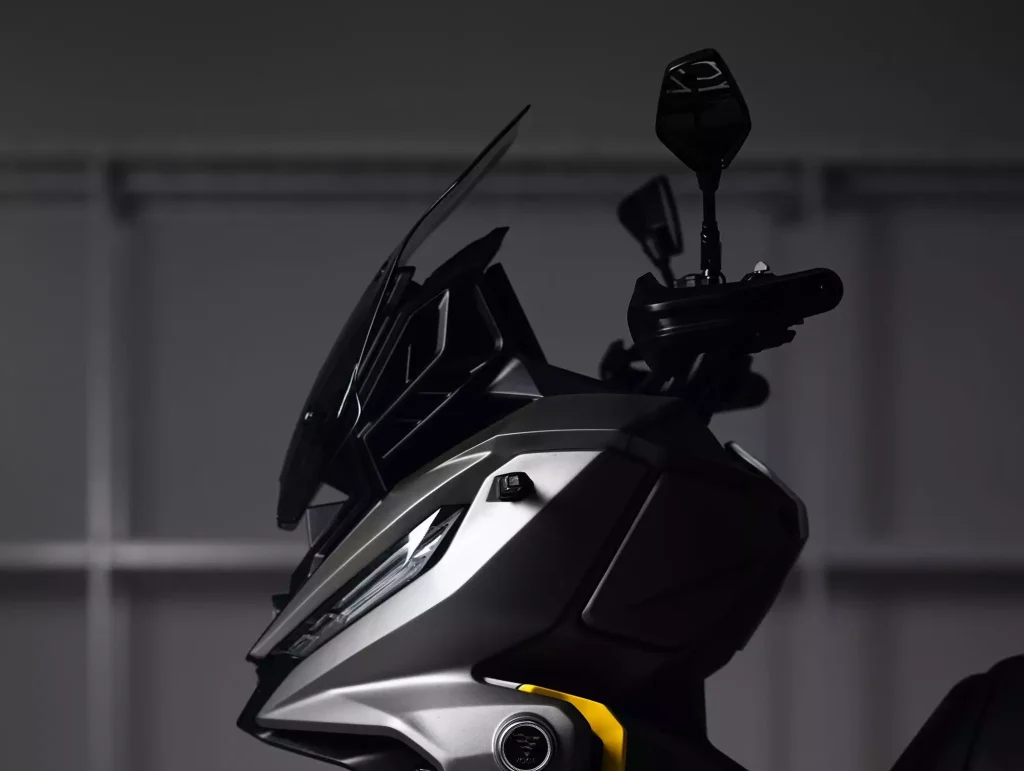
Windshield height determines where airflow passes around the rider’s body. A lower windshield generally allows more air to reach the upper body, while a taller one can redirect some airflow toward the shoulders or above the helmet.
However, a taller windshield is not always better. If its upper edge does not match the rider’s height and seating position, airflow may become concentrated around the helmet. The ideal height should therefore be evaluated in relation to the rider’s natural posture and line of sight.
Windshield Width
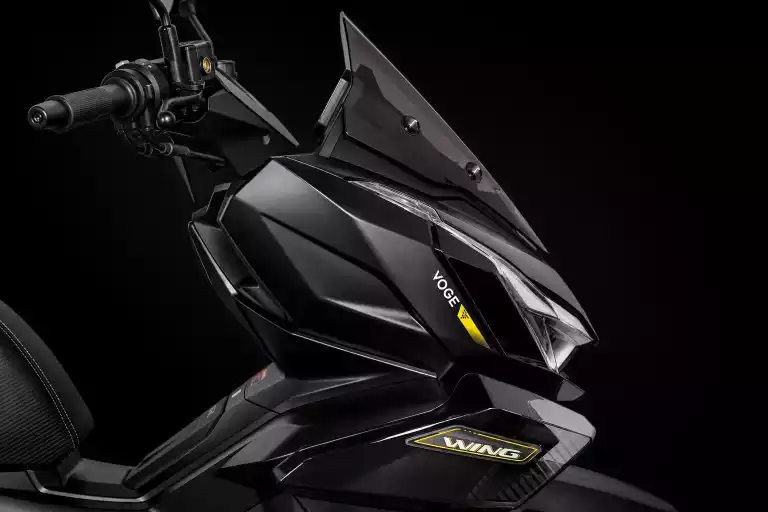
Windshield width affects the frontal coverage area. A wider design can direct more airflow around the sides of the rider’s body, but it also needs to work with the front-end styling, mirror positions, and overall proportions of the scooter.
Windshield Angle and Shape
The windshield angle, upper contour, and side curvature all influence airflow direction. A well-designed surface helps guide airflow along the intended path while working with the front fairing and bodywork to create a balanced aerodynamic structure.
For this reason, windshield performance should not be judged by height and width alone. Its overall profile and mounting angle also matter.
What Windshield Features Suit Different Riding Conditions?
Different riding environments place different demands on windshield design, particularly in terms of coverage, visibility, and airflow management.
| Riding Condition | Windshield Design Considerations | Main Requirements |
| Urban Commuting | Moderate height and a clear viewing area | Good visibility and convenient everyday use |
| Highway Cruising | Suitable height and aerodynamic shaping | Airflow management and improved comfort at higher speeds |
| Long-Distance Touring | Wider coverage and an appropriate mounting position | Consistent wind protection and comfort over extended rides |
| Changing Weather | Adequate coverage and good transparency | Clear visibility and adaptability to different weather conditions |
For riders who regularly travel across different road environments, the windshield should also work in combination with the seat, handlebars, and riding posture. The scooter’s overall ergonomics play an important role in the actual riding experience.
What Should You Consider When Choosing a Maxi Scooter Windshield?
When choosing a maxi scooter, it is worth looking beyond the windshield’s appearance and considering several practical factors.
| Consideration | What to Look For |
| Rider Height | The position of the windshield’s upper edge relative to the helmet and natural line of sight |
| Riding Posture | How much coverage the windshield provides in a natural seated position |
| Riding Conditions | Whether the scooter is mainly used for urban commuting, highway cruising, or long-distance touring |
| Material Quality | Transparency, impact resistance, and surface durability |
| Model Compatibility | Mounting structure, fixing method, and compatibility with the specific scooter model |
If you plan to replace the original windshield, make sure the replacement is compatible with your specific model. Whenever possible, a test ride can help you evaluate the viewing area and airflow behavior at different speeds.
Windshield Design in Modern Maxi Scooters
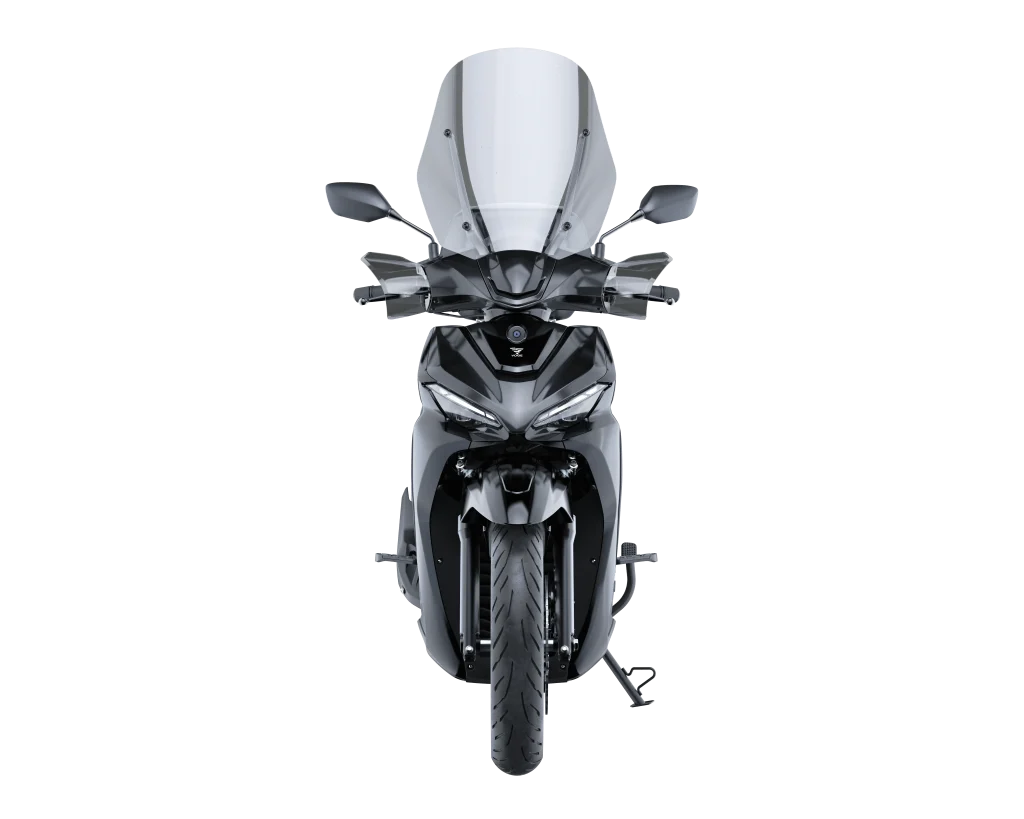
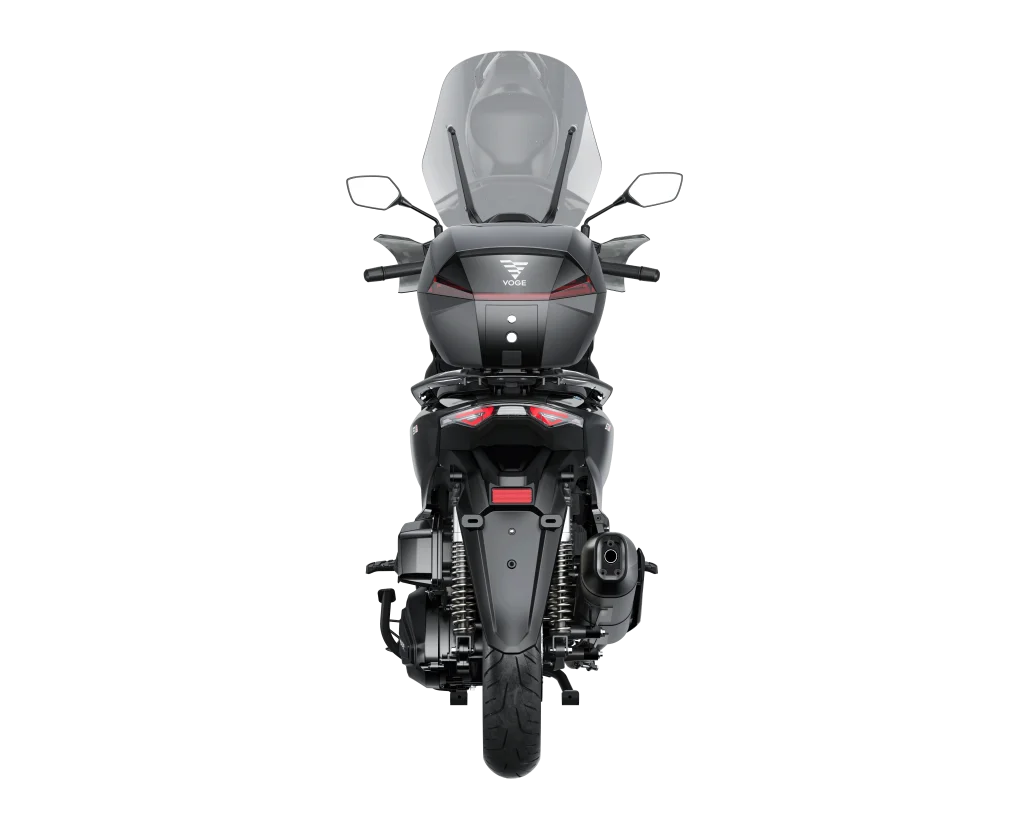
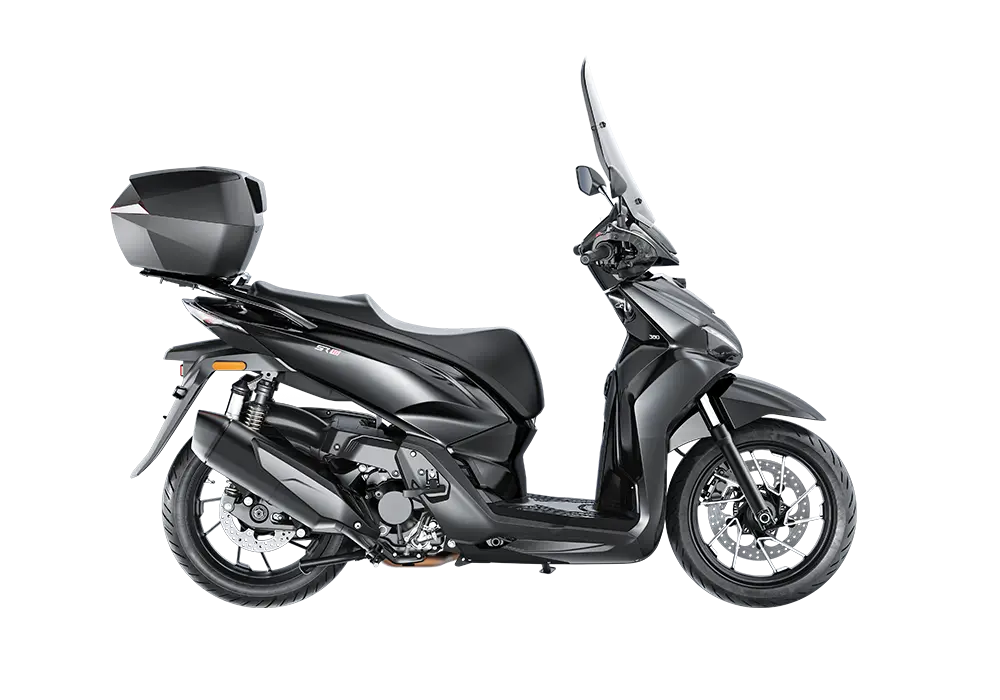
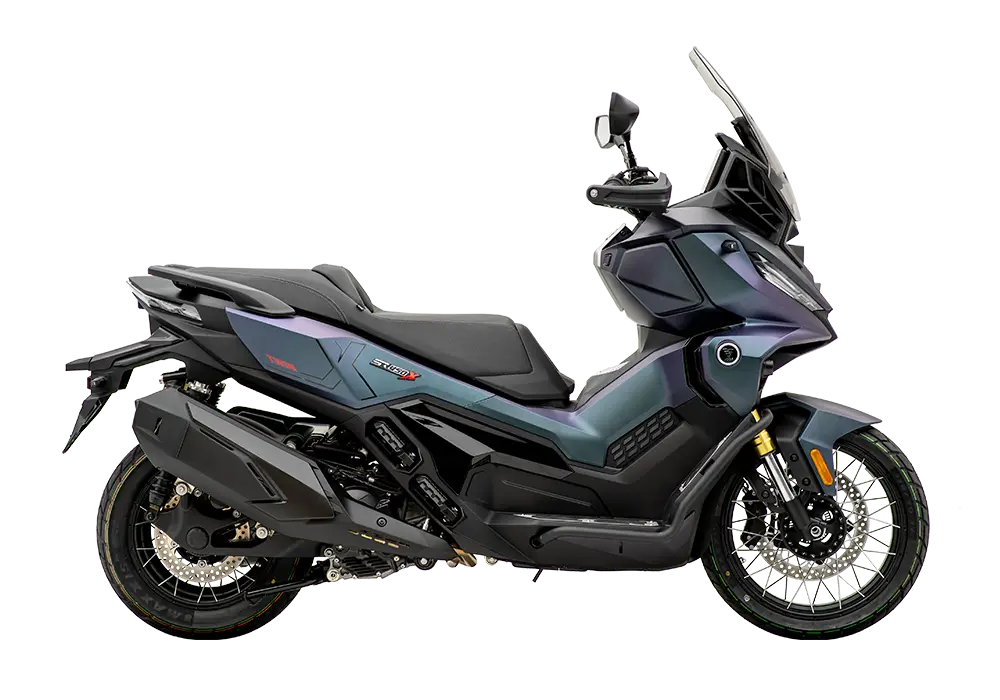
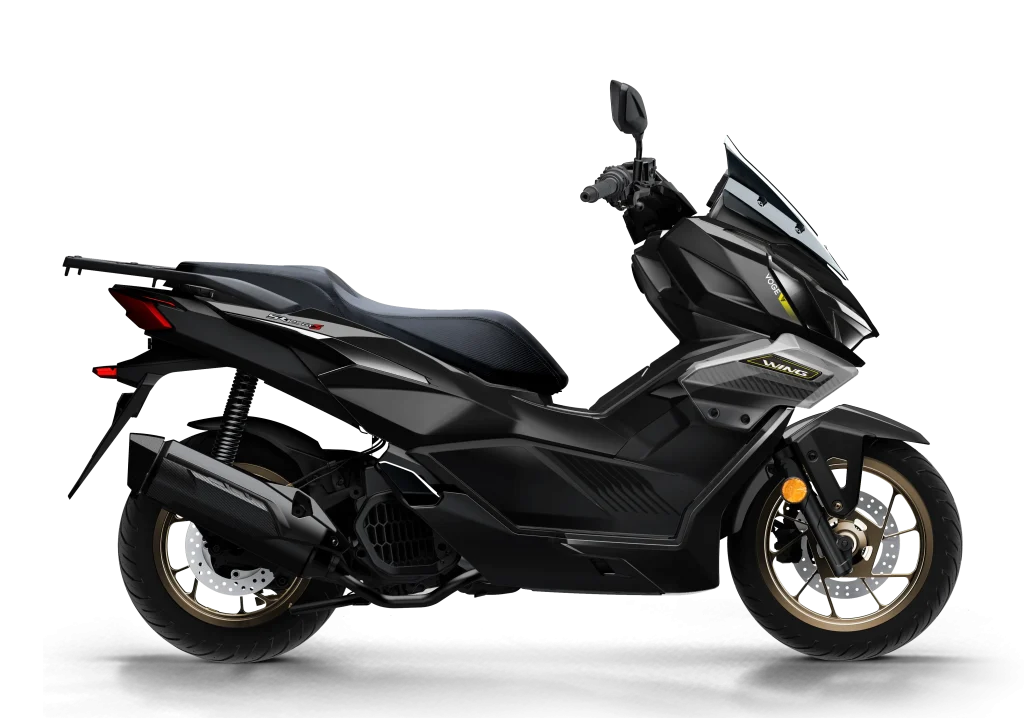
Modern maxi scooters increasingly focus on integrating windshield design with front-end styling, body structure, and rider ergonomics. Within the VOGE Scooter lineup, models such as the SR4 Max and SR450X reflect the brand’s approach to developing its maxi scooter range.
When choosing a scooter, riders can look beyond engine performance, suspension, and seat configuration. Windshield coverage, visibility, and compatibility with their riding habits are also worth considering.
The best windshield is not necessarily the largest one. It is the one that matches the scooter’s design, the rider’s body dimensions, and the conditions in which the scooter is used.