Motorcycle Tire Pressure: Why It Matters and When to Check It
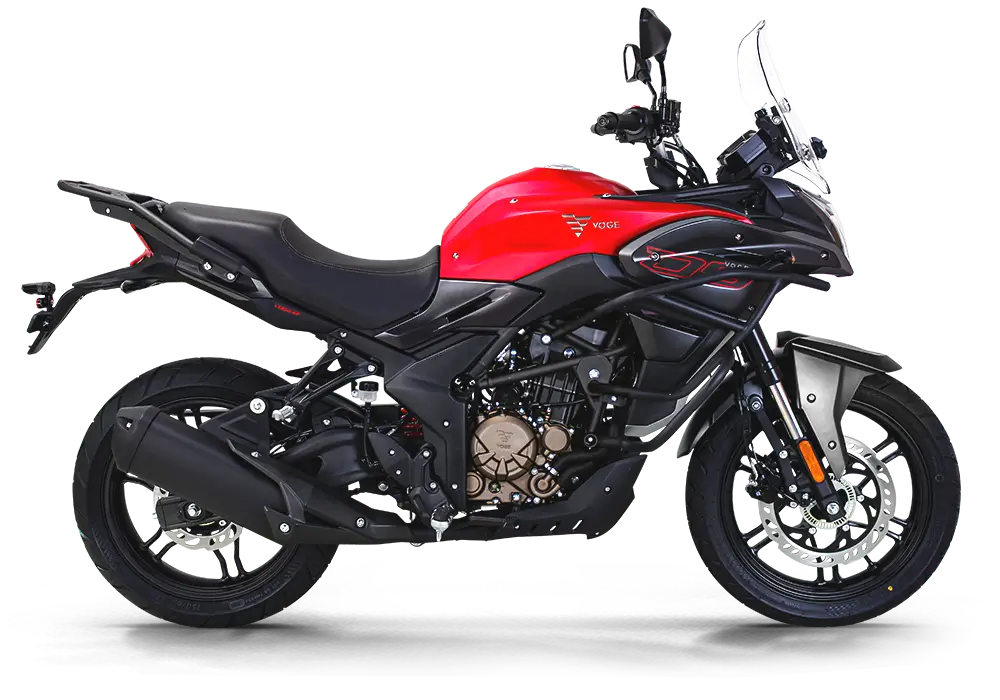
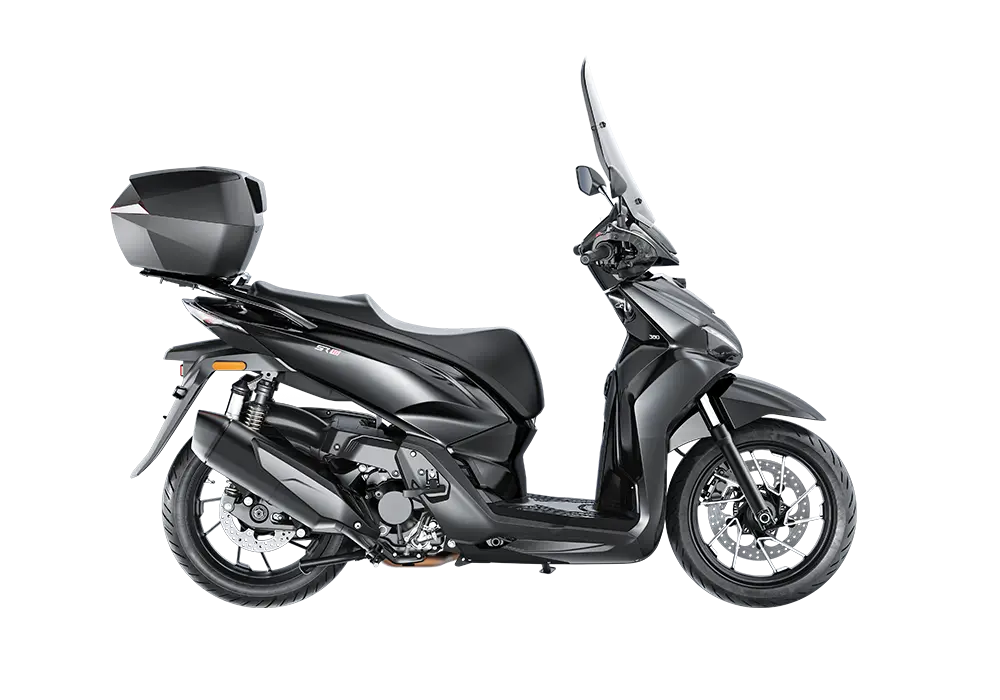
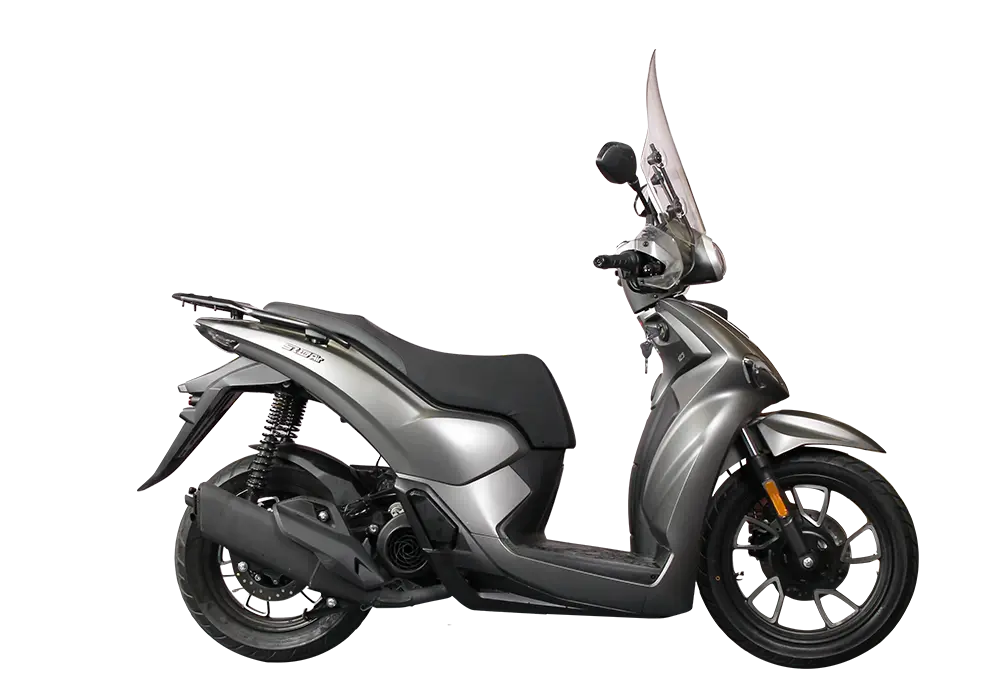
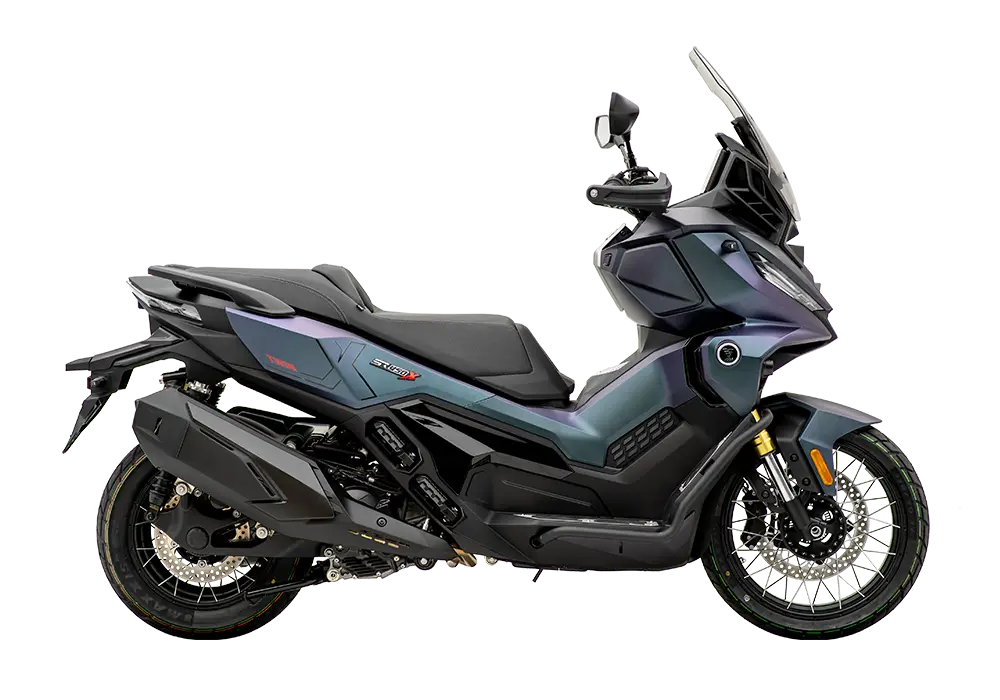
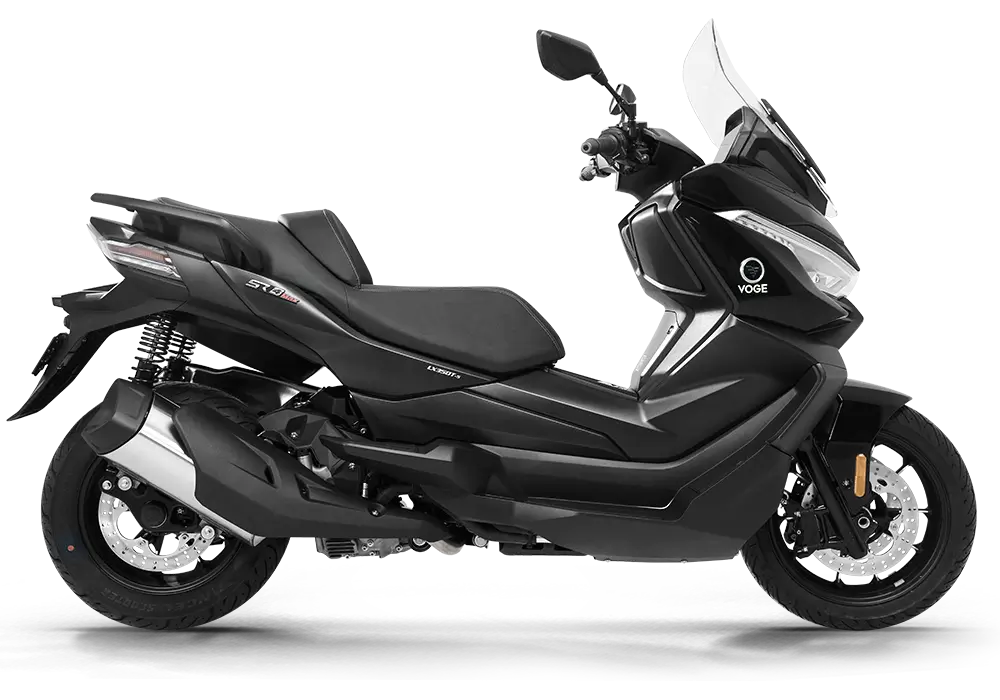
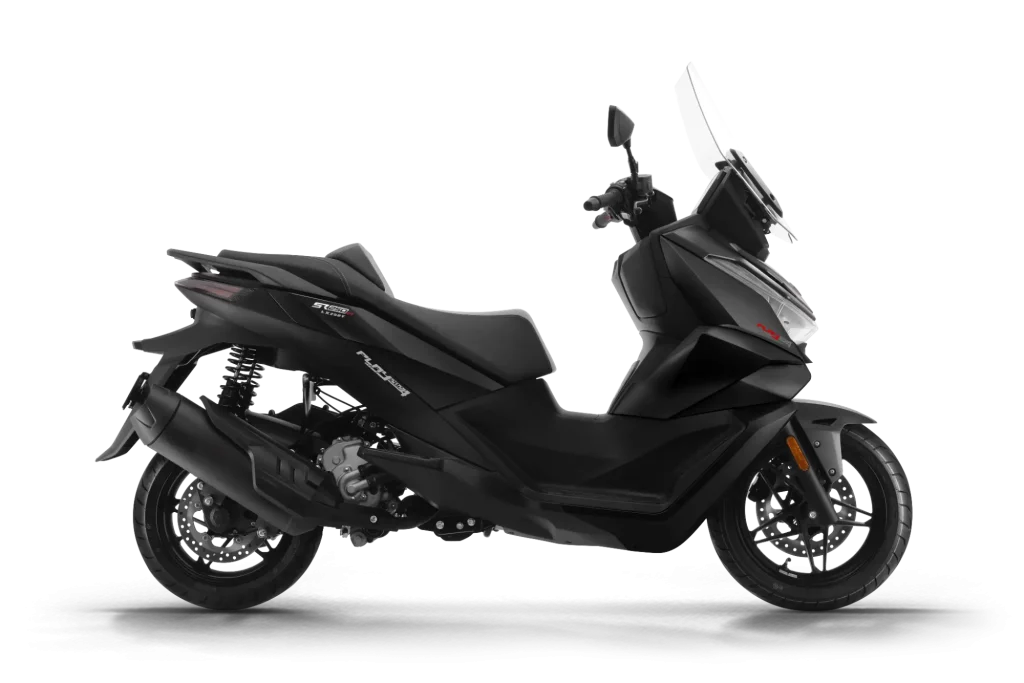
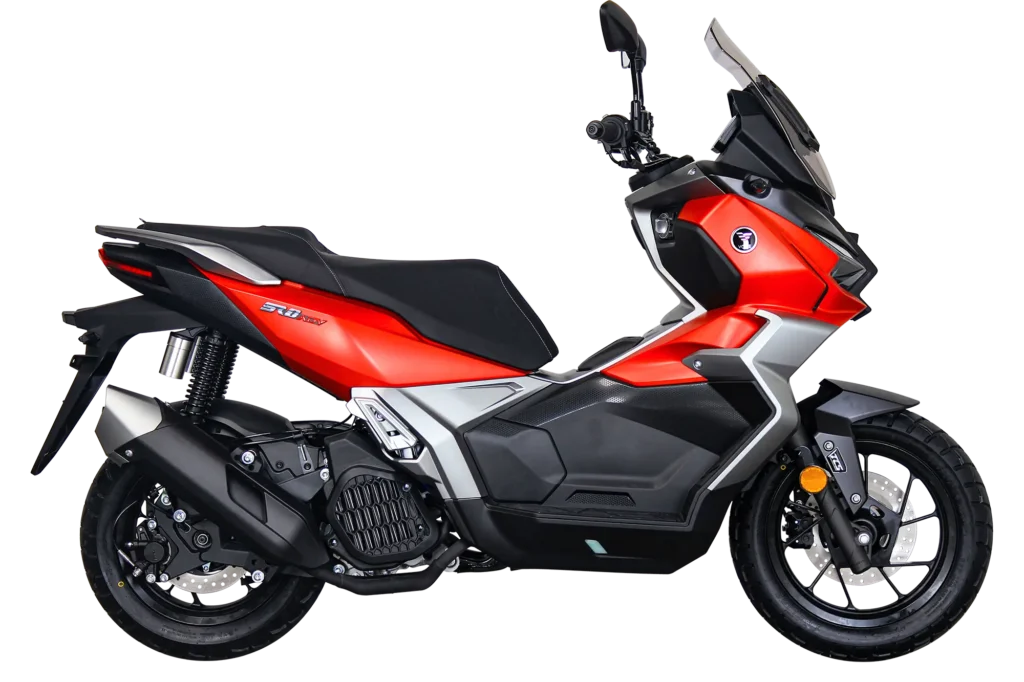
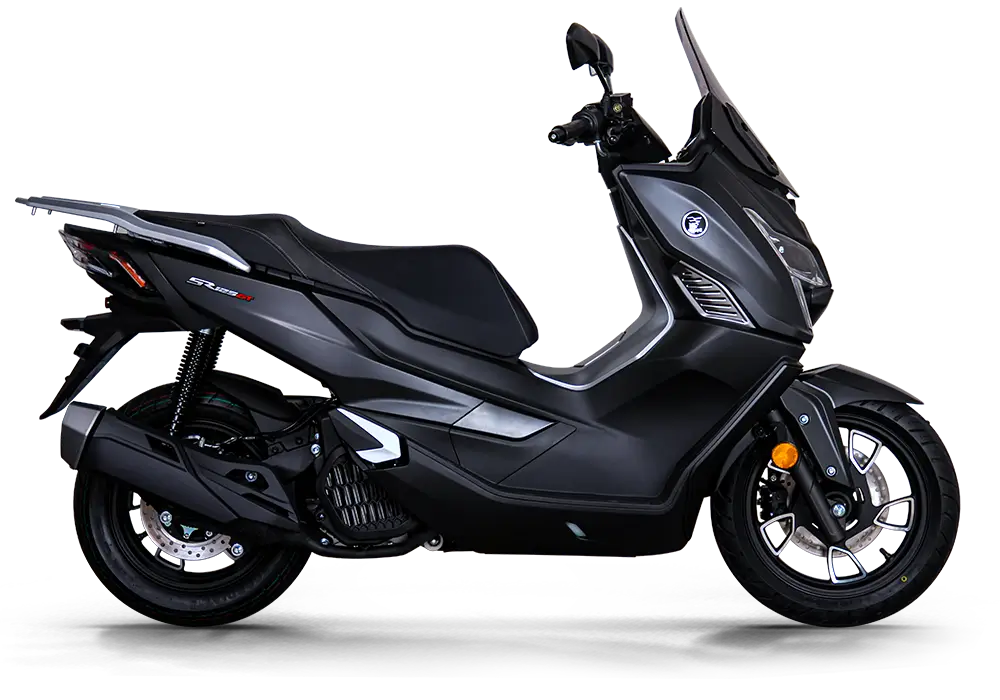
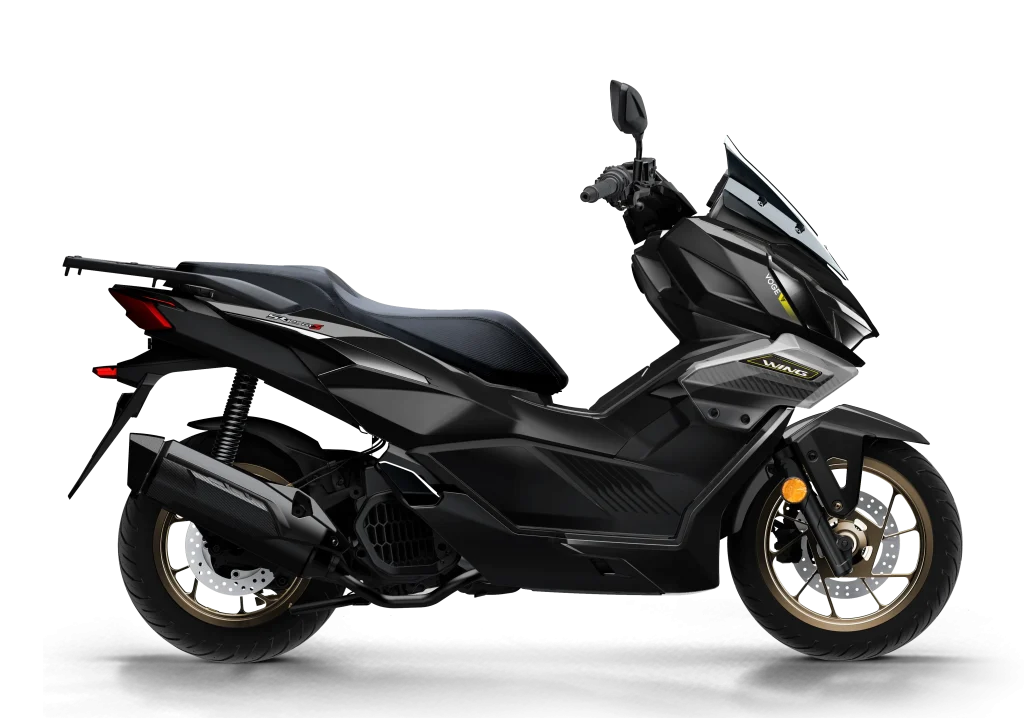
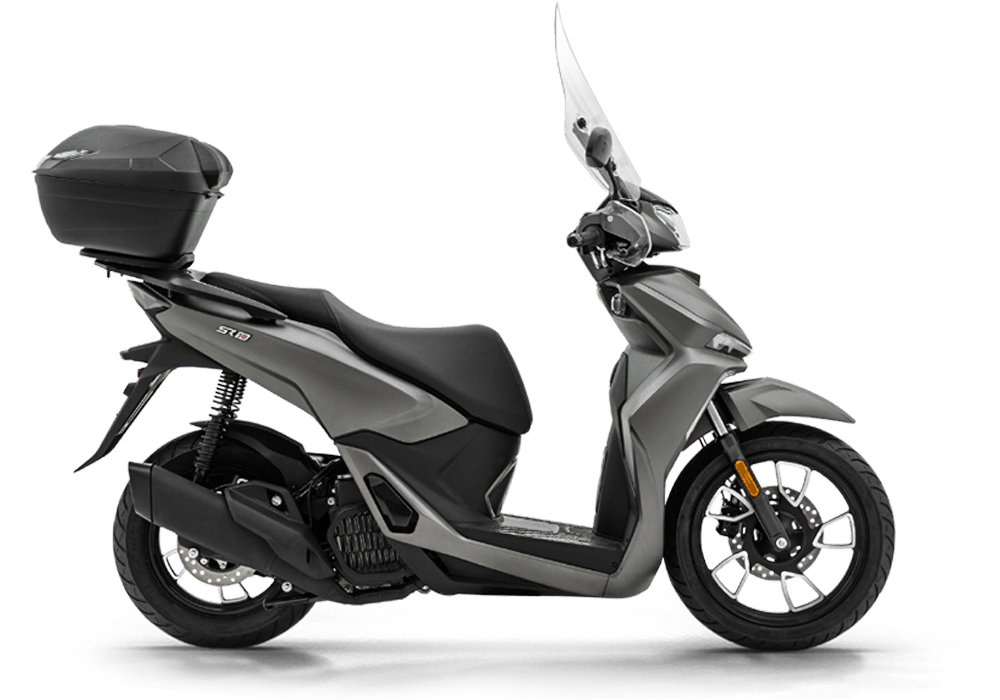
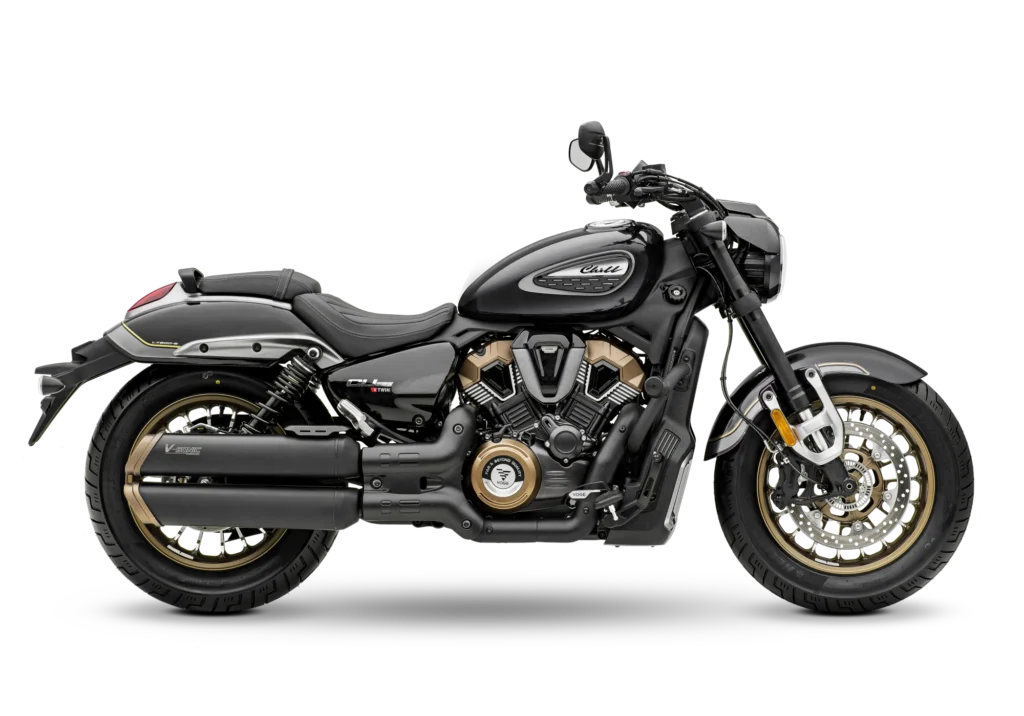
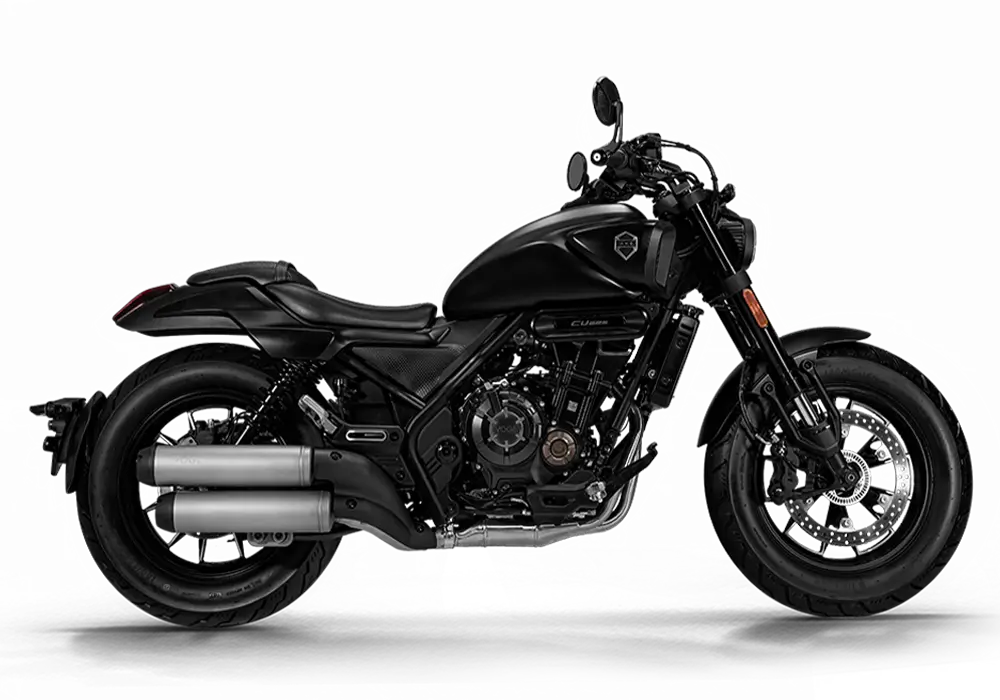
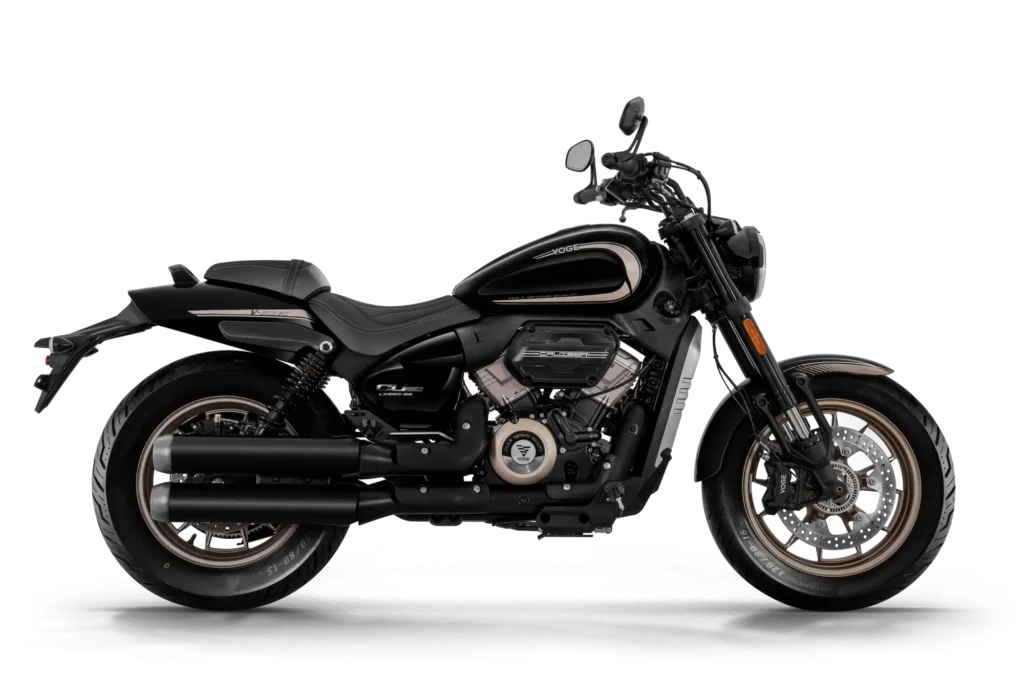
For motorcycle riders, tire condition plays an important role in everyday riding. Whether commuting in the city, taking a weekend ride, or heading out on a long-distance trip on a VOGE motorcycle, checking tire pressure before setting off is a habit worth developing.
Many riders only think about tire pressure when a tire looks noticeably soft or the motorcycle starts to handle differently. However, even when a tire looks normal, its pressure can change over time and with temperature fluctuations. Regular checks help prevent unnecessary tire wear and maintain proper handling.
So, how often should you check your motorcycle tire pressure, and what should you look out for?
How Often Should You Check Motorcycle Tire Pressure?
For motorcycles used regularly, checking tire pressure at least once a week is a good practice. You should also pay attention to it in the following situations:
- Before a long ride: Check both front and rear tires before setting off to avoid discovering pressure problems along the way.
- After significant temperature changes: Tire pressure can decrease as the surrounding temperature drops.
- When carrying a passenger or luggage: If you ride with a passenger or carry extra luggage, adjust tire pressure according to the manufacturer’s recommendations for the additional load.
- After the motorcycle has been parked for a long time: Check tire pressure before riding again.
If you notice that a tire keeps losing pressure over a short period, don’t just keep adding air. Check for punctures, valve leaks, or other damage.
How to Check Motorcycle Tire Pressure Correctly
Checking tire pressure doesn’t require complicated equipment. A reliable tire pressure gauge is usually all you need.
Step 1: Check Tire Pressure When the Tires Are Cold
It’s best to check tire pressure before riding. As tires warm up during a ride, their pressure naturally increases. For this reason, readings taken from warm tires should not be compared directly with the recommended cold tire pressure.
Step 2: Measure Both Front and Rear Tires
Remove the valve cap and attach the pressure gauge to the valve stem. Take a reading for both the front and rear tires. Don’t assume they should have the same pressure.
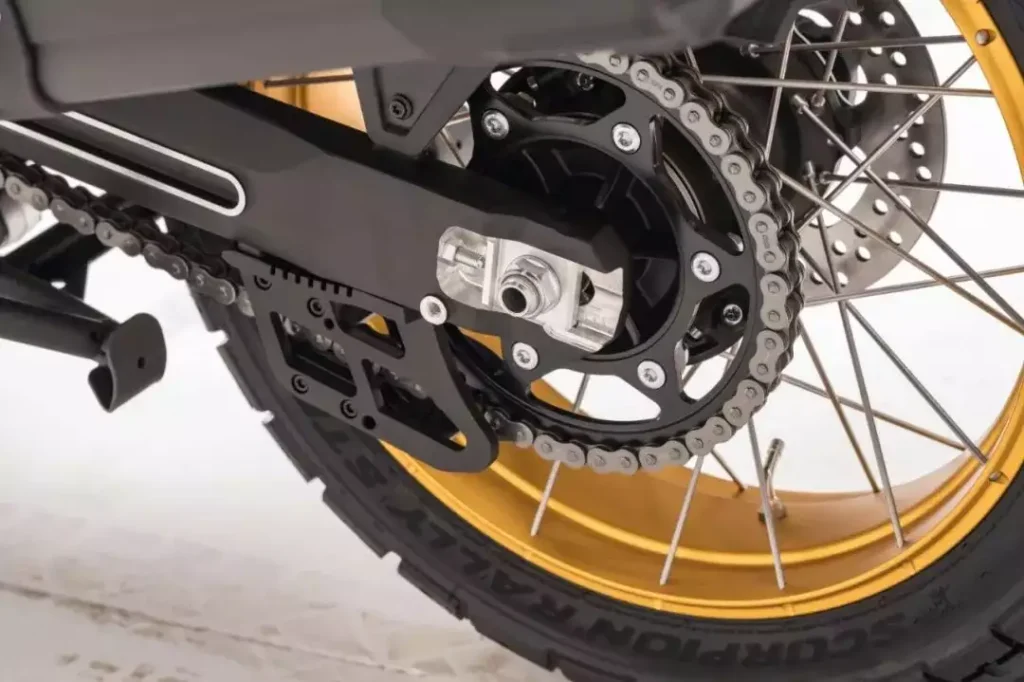
Step 3: Compare the Readings with the Recommended Pressure
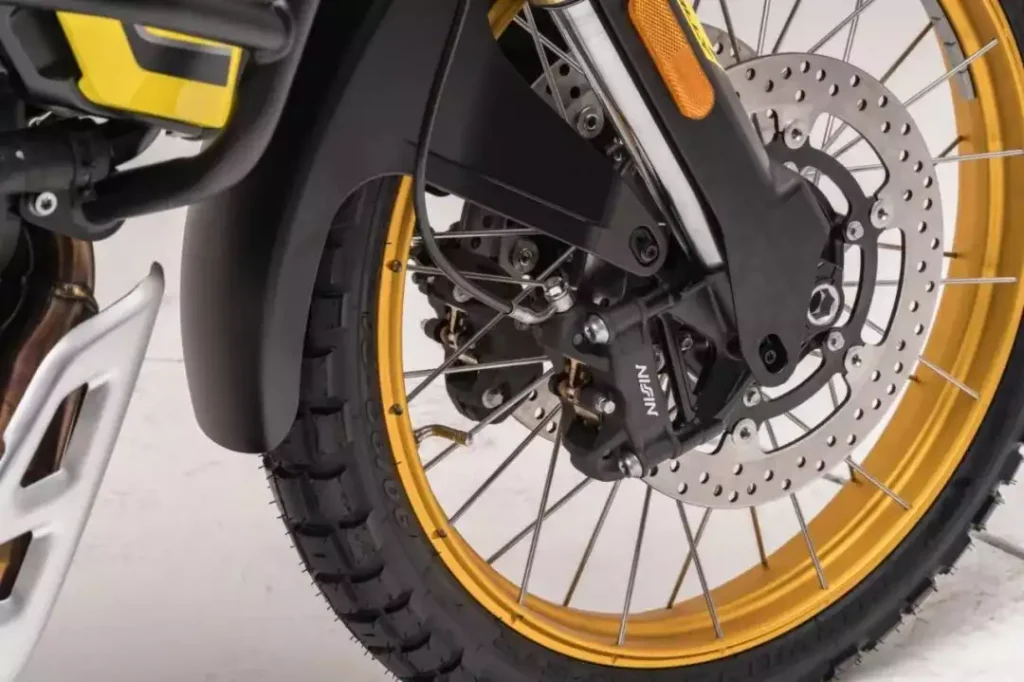
Check your motorcycle’s owner’s manual or tire pressure label for the correct values. Recommended pressures can vary depending on the motorcycle model, tire specifications, and load conditions.
Keep in mind that the maximum pressure printed on a tire’s sidewall is not the recommended pressure for everyday riding.
Step 4: Adjust the Pressure and Check Again
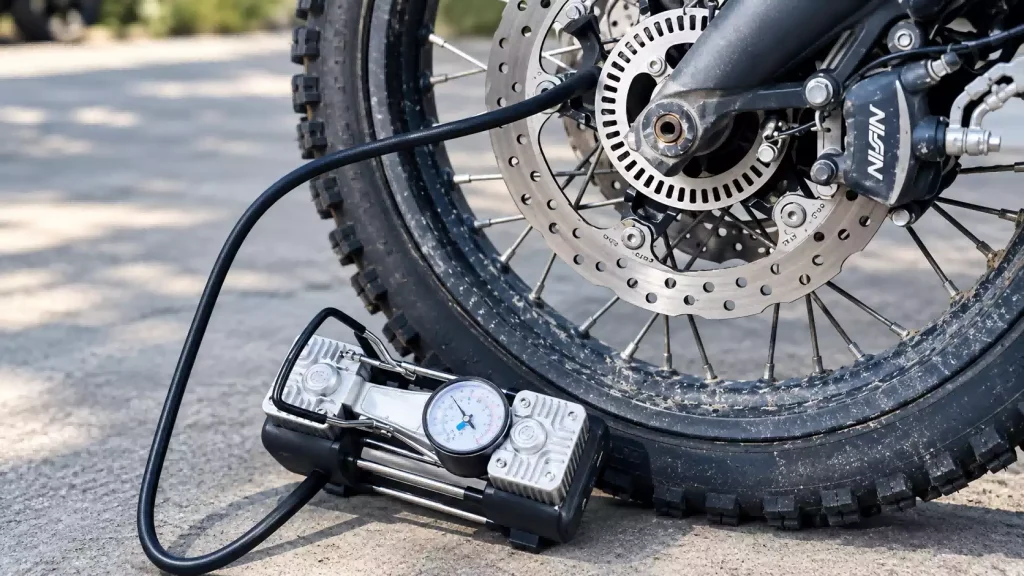
If the pressure is too low, use an air pump to add air. If it’s too high, release some air. Measure again after making adjustments to ensure the pressure matches the manufacturer’s recommendations, then replace the valve cap.
What Happens If Motorcycle Tire Pressure Is Too High or Too Low?
Incorrect tire pressure can affect both tire wear and the way your motorcycle handles.
| Tire Pressure | Possible Effects |
| Too Low | Increased tire deformation, heavier steering, excessive heat buildup, and faster tire wear |
| Too High | A harsher ride, potentially faster wear in the center of the tread, and reduced grip in some conditions |
If the motorcycle feels unusually heavy to steer, becomes unstable when cornering, or the tires appear visibly deformed, checking tire pressure is a good place to start.
However, these symptoms can also be related to tire damage, suspension issues, or other mechanical problems. Tire pressure should not be assumed to be the only cause.
What Should You Check Before a Long Motorcycle Trip?
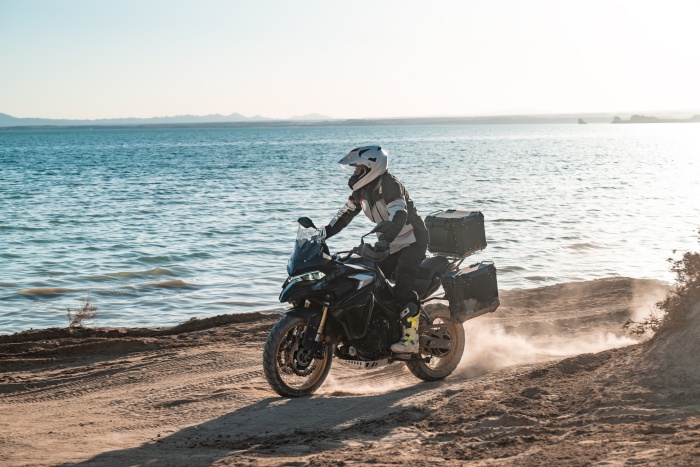
Before a long ride, take a few extra minutes to inspect your tires beyond just checking the pressure:
- Tire Pressure: Make sure both front and rear tires meet the recommended pressure.
- Tire Condition: Look for nails, cracks, bulges, or visible damage.
- Tread Depth: Check that the tread depth meets the required safety standards.
- Valve Stems: Make sure the valve stems are in good condition and show no signs of air leakage.
- Vehicle Load: Ensure the weight of your luggage and passenger stays within the motorcycle’s load limits.
If you’re carrying extra luggage or riding with a passenger, pay particular attention to the motorcycle’s load limits and the corresponding tire pressure recommendations.
Make Tire Pressure Checks Part of Your Riding Routine
Checking tire pressure only takes a few minutes, but it can help you spot potential tire problems early.
Whether you’re commuting every day or planning a weekend motorcycle trip, make tire pressure checks part of your regular riding preparation. Along with maintaining the correct pressure, keep an eye on tire wear and overall condition.
A few minutes spent checking your tires before setting off can help you avoid unnecessary problems on the road.