ABS & TCS on the VOGE DS900X: Why They Matter for Adventure Riding
As adventure motorcycles continue to gain popularity among riders, electronic rider-assistance systems have become an essential part of modern motorcycle design. Among them, ABS (Anti-lock Braking System) and TCS (Traction Control System) are two of the most important safety technologies found on today’s adventure bikes.
While many riders are familiar with these abbreviations, they may not fully understand how each system works, when they come into play, or how they contribute to a safer and more confident riding experience. Do ABS and TCS perform the same function? When does each system intervene? And how do they benefit riders during long-distance touring, highway riding, or light off-road adventures?
This article explains the fundamentals of ABS and TCS and explores how these technologies work together to improve stability, control, and confidence on adventure motorcycles.

ABS and TCS: How Do These Two Electronic Rider Aids Work?
Although both ABS and TCS are electronic rider-assistance systems, they serve different purposes during different stages of riding. In simple terms, ABS operates while braking, whereas TCS works during acceleration.
Understanding the role of each system helps riders make better use of their motorcycle’s technology and ride with greater confidence across a variety of road conditions.
What Is ABS (Anti-lock Braking System)?
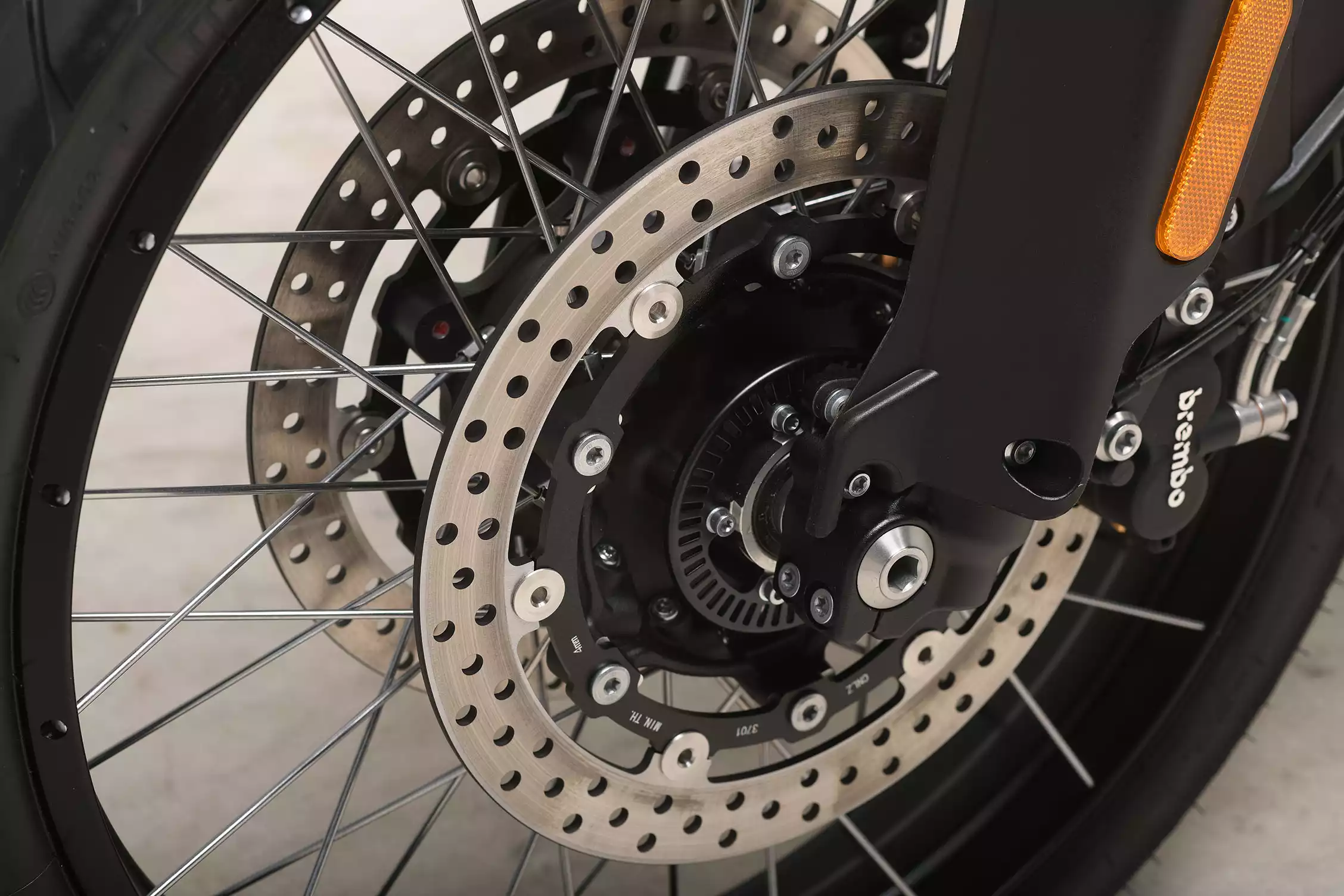
ABS (Anti-lock Braking System) is an electronic safety system designed to improve braking performance and vehicle stability.
During emergency braking, excessive braking force can cause one or more wheels to lock. Once a wheel locks, the tire loses traction with the road surface, making the motorcycle more likely to skid or lose steering control.
ABS continuously monitors wheel speed through sensors. When it detects that a wheel is about to lock, the system automatically adjusts the braking pressure, allowing the wheel to continue rotating. This helps maintain stability and steering control during hard braking.
ABS is particularly beneficial in situations such as:
- Emergency braking in urban traffic
- Riding on wet or slippery roads
- Long downhill mountain roads
- High-speed braking on highways
It is important to note that the primary purpose of ABS is not necessarily to shorten braking distance in every situation, but to help riders maintain control of the motorcycle and reduce the risk of losing stability caused by wheel lock-up.
What Is TCS (Traction Control System)?
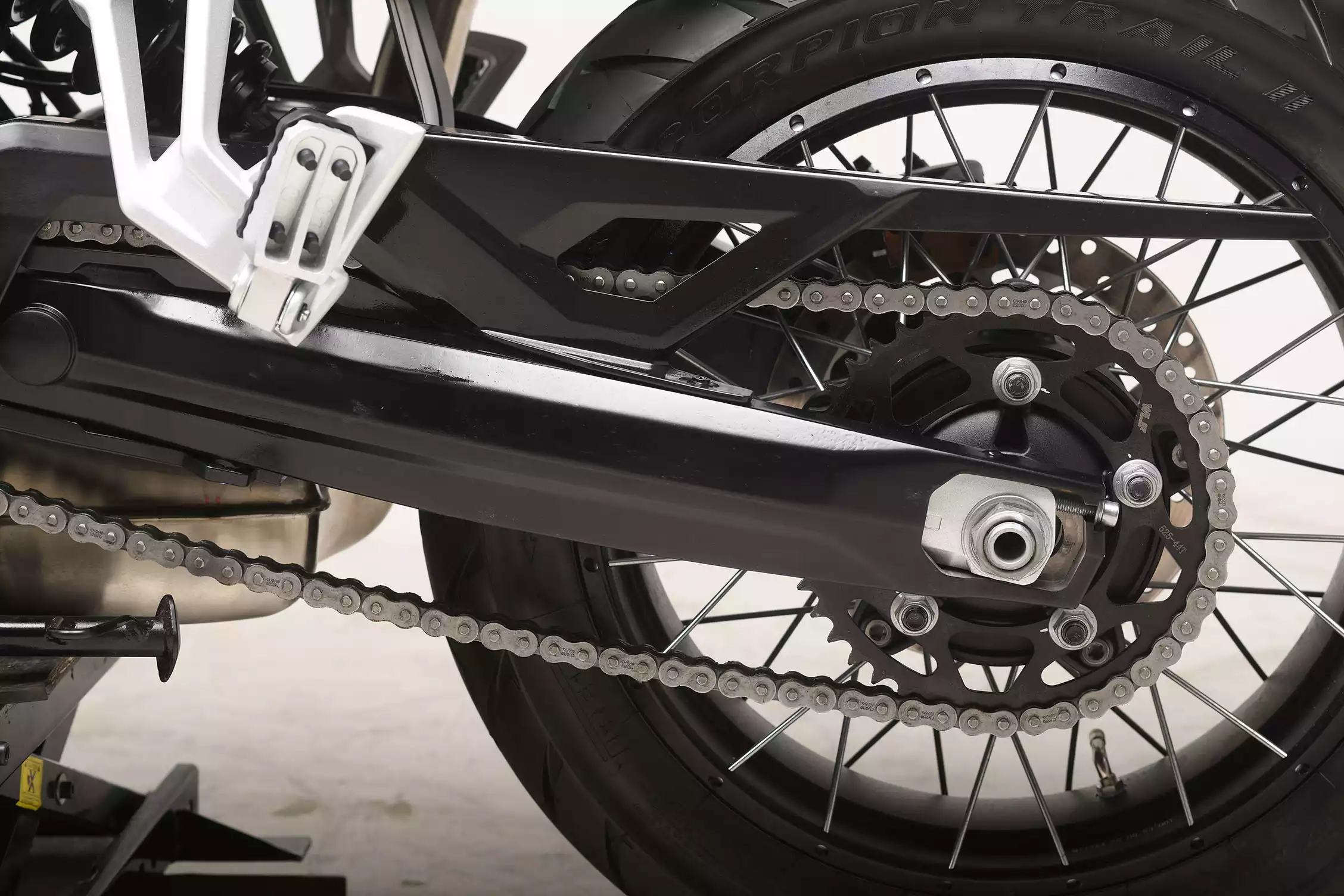
TCS (Traction Control System) is an electronic rider aid designed to improve traction and stability during acceleration.
Unlike ABS, which functions while braking, TCS continuously monitors the driven wheel during acceleration. If the system detects excessive wheel spin caused by reduced traction or aggressive throttle input, it automatically adjusts the engine’s power output to help restore grip.
For adventure motorcycles that frequently encounter changing road conditions, TCS plays an important role in delivering smoother and more controlled acceleration.
Common situations where TCS is especially helpful include:
- Starting on wet or slippery roads
- Accelerating in rainy conditions
- Riding on gravel or unpaved roads
- Accelerating while exiting corners
- Low-traction riding environments
Rather than increasing engine performance, TCS is designed to intervene when traction begins to decrease, helping riders maintain better control of the motorcycle.
ABS vs. TCS: What’s the Difference?
Although ABS and TCS are both important electronic safety systems, they operate at different stages of riding and improve motorcycle control in different ways.
| Comparison | ABS (Anti-lock Braking System) | TCS (Traction Control System) |
| When It Operates | During braking | During acceleration |
| Primary Function | Prevents wheel lock-up | Prevents driven wheel spin |
| How It Works | Automatically adjusts braking pressure | Automatically adjusts engine power output |
| Main Benefit | Maintains stability and steering control | Improves traction and acceleration stability |
| Typical Riding Situations | Emergency braking, wet roads, highways, mountain roads | Wet roads, gravel surfaces, light off-road riding, corner exits |
A simple way to understand the difference is that ABS helps keep the motorcycle stable while slowing down, while TCS helps maintain traction when accelerating.
Adventure motorcycles are often ridden across a wide variety of terrain, including city streets, highways, mountain roads, and light off-road trails. Working together, ABS and TCS provide additional support under changing riding conditions, allowing riders to tackle different environments with greater confidence.
How the VOGE DS900X Enhances Rider Confidence with ABS and TCS
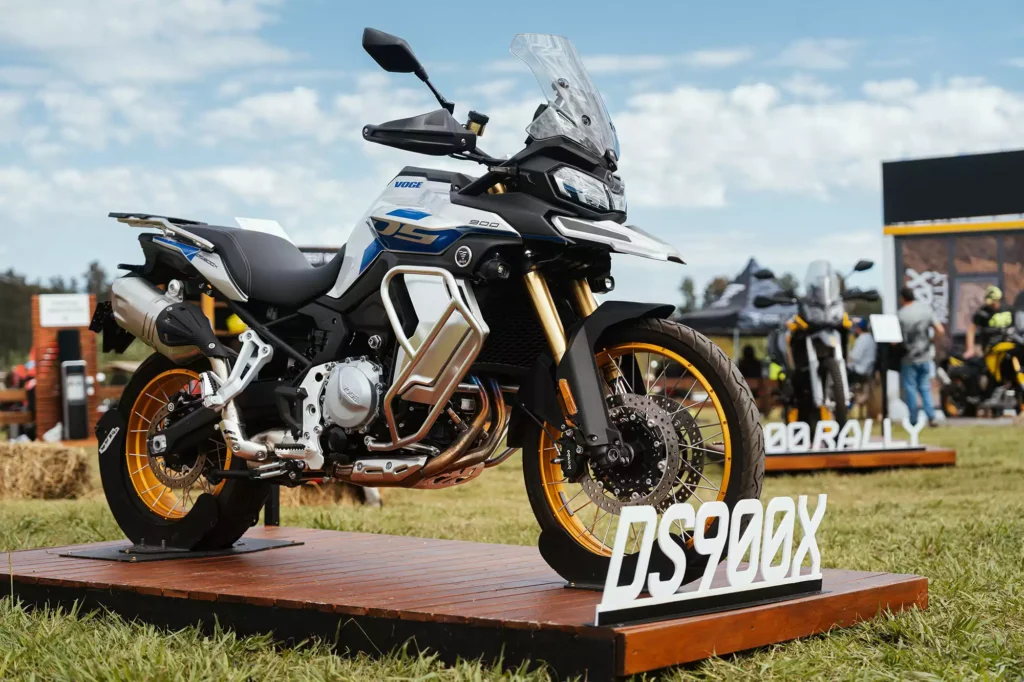
For an adventure motorcycle designed for touring and exploration, electronic rider aids contribute not only to safety but also to a more relaxed and controlled riding experience.
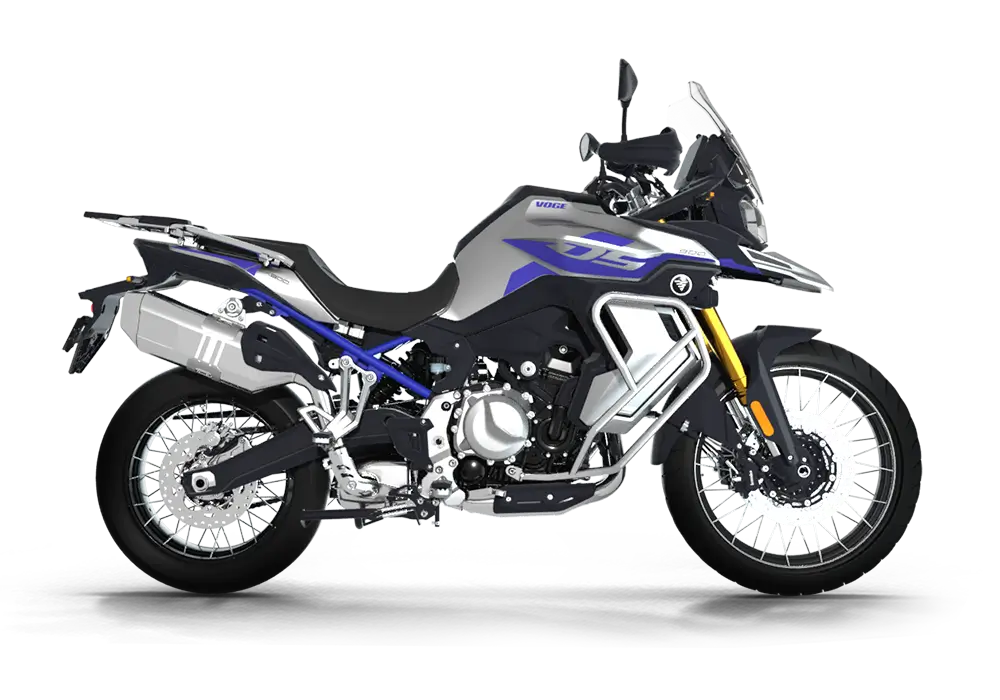
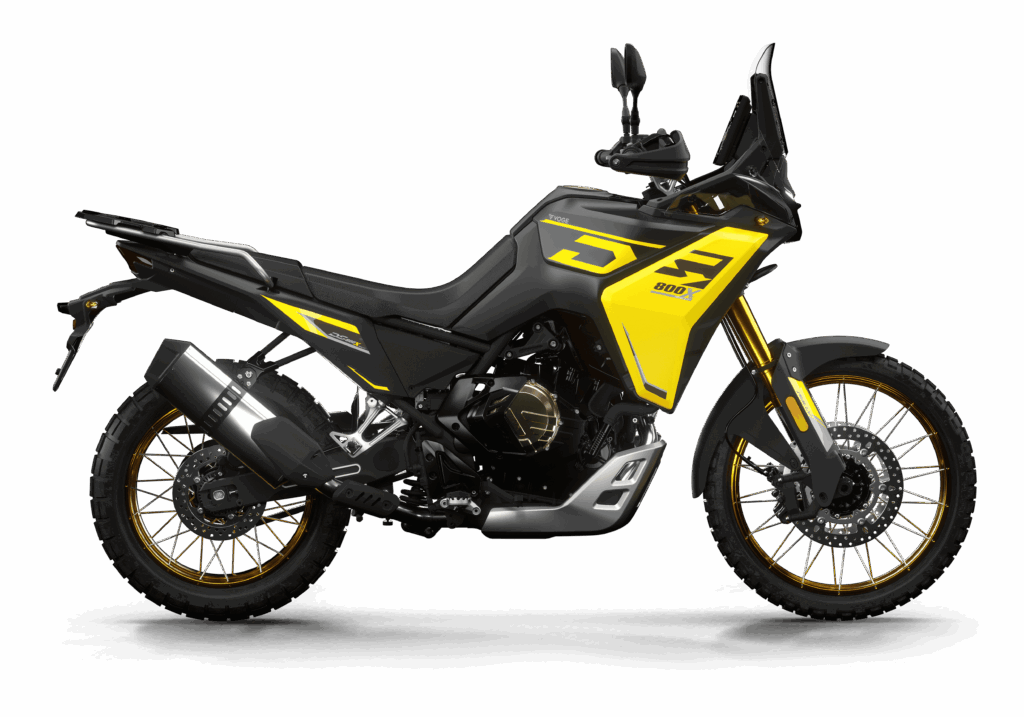
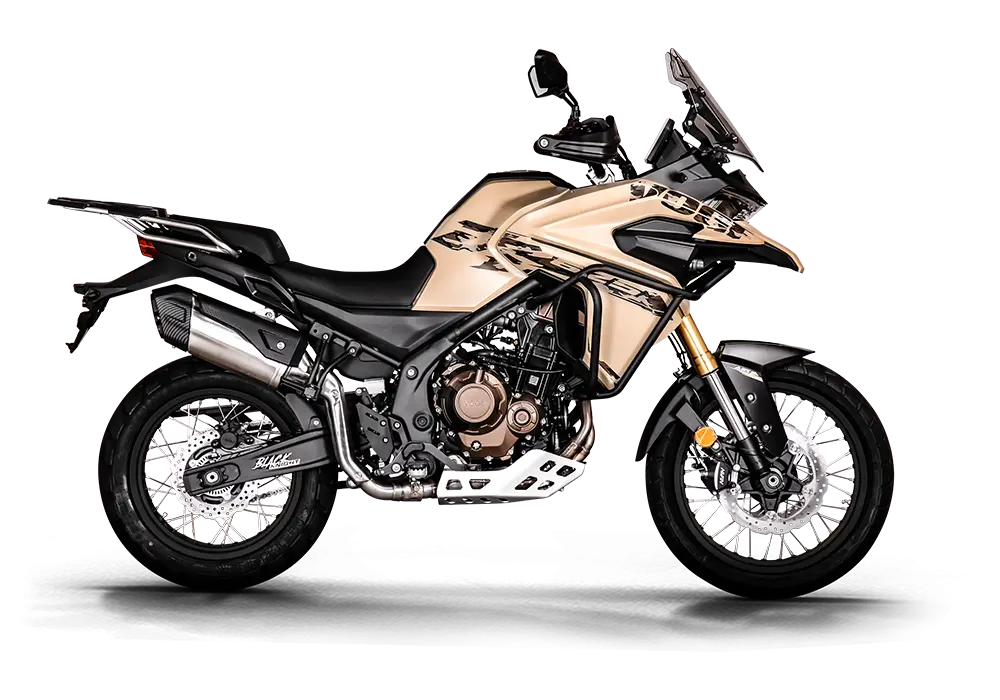
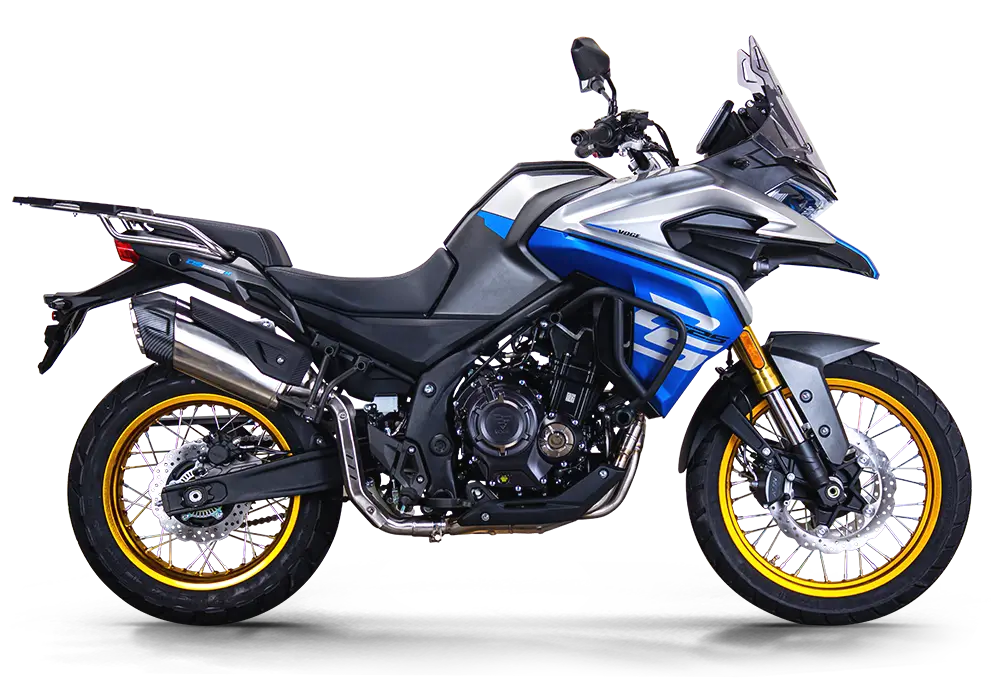
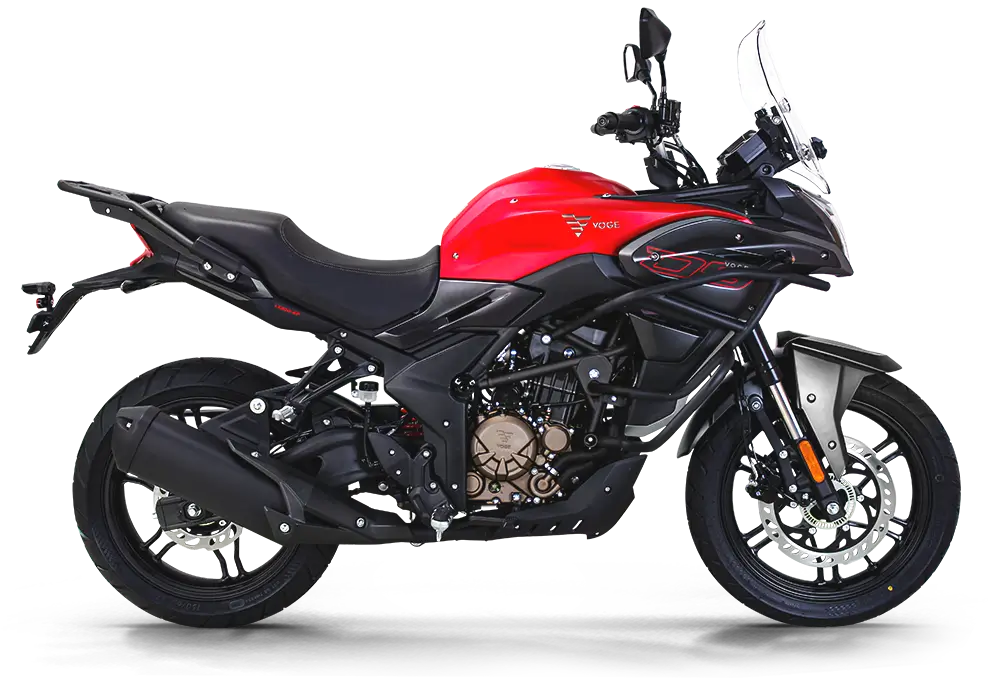
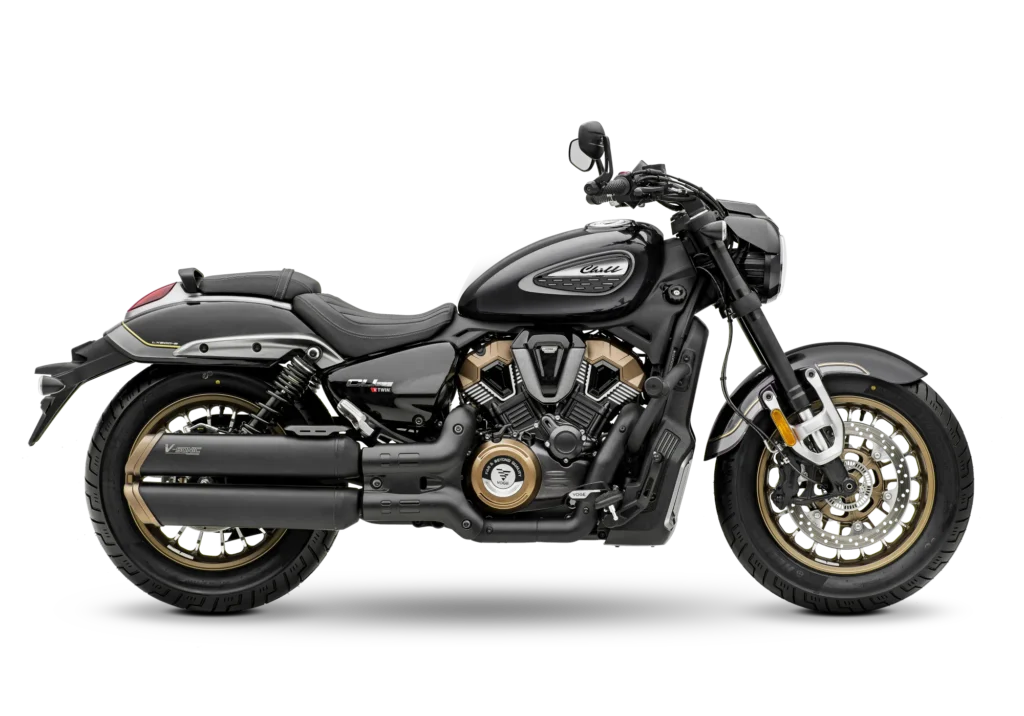
The VOGE DS900X is equipped with both ABS and TCS, providing support during braking and acceleration respectively. Whether riding through city traffic, cruising on highways, navigating winding mountain roads, or exploring light off-road routes, these systems continuously monitor riding conditions to help maintain stability and control.
Of course, electronic rider aids are only one part of the overall riding experience. Engine performance, suspension tuning, braking components, and chassis balance all work together to determine how a motorcycle handles in real-world conditions. ABS and TCS provide an additional layer of confidence by assisting the rider whenever traction or stability is challenged.
For riders who enjoy discovering new destinations and taking on longer adventures, these technologies help make every journey smoother, safer, and more enjoyable.
Ride with Greater Confidence on Every Journey
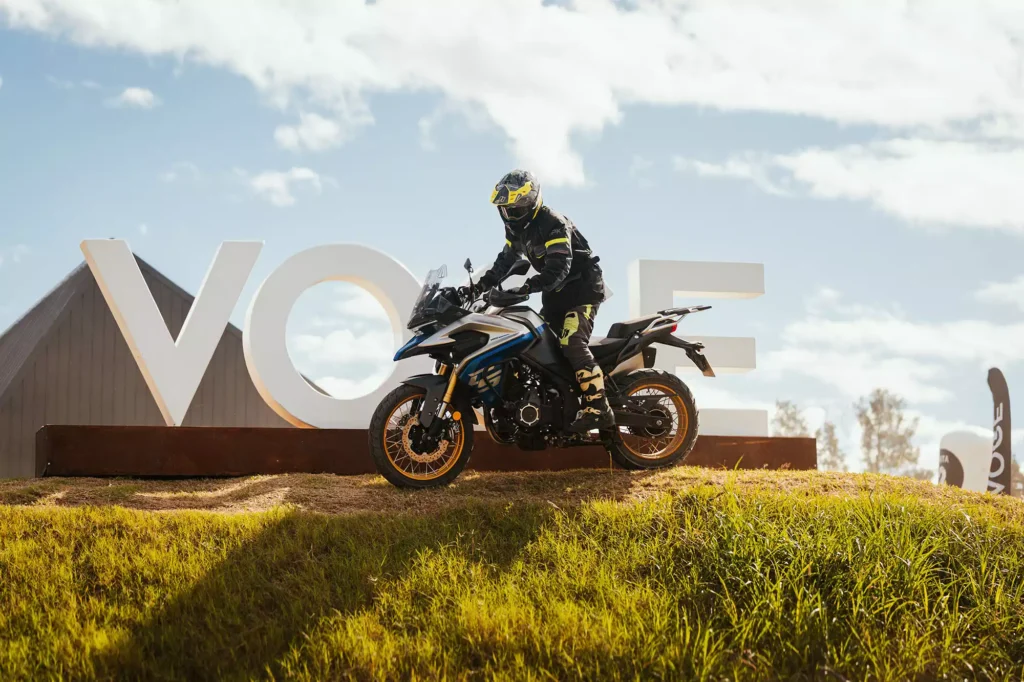
As electronic rider-assistance technologies continue to evolve, ABS and TCS have become essential features on modern adventure motorcycles. While each system serves a different purpose, they share the same goal: helping riders maintain greater stability, safety, and confidence across a wide range of riding conditions.
Understanding how these systems work not only allows riders to make better use of their motorcycle’s capabilities, but also helps them make more informed decisions when riding in different environments.
For the VOGE DS900X, the combination of ABS and TCS further enhances its electronic safety package, enabling riders to confidently handle daily commuting, long-distance touring, and light adventure riding—making every journey more comfortable, controlled, and enjoyable.